Reading the craquelure
Every crack pattern is a document. Learn to read it and the panel tells you its own history.
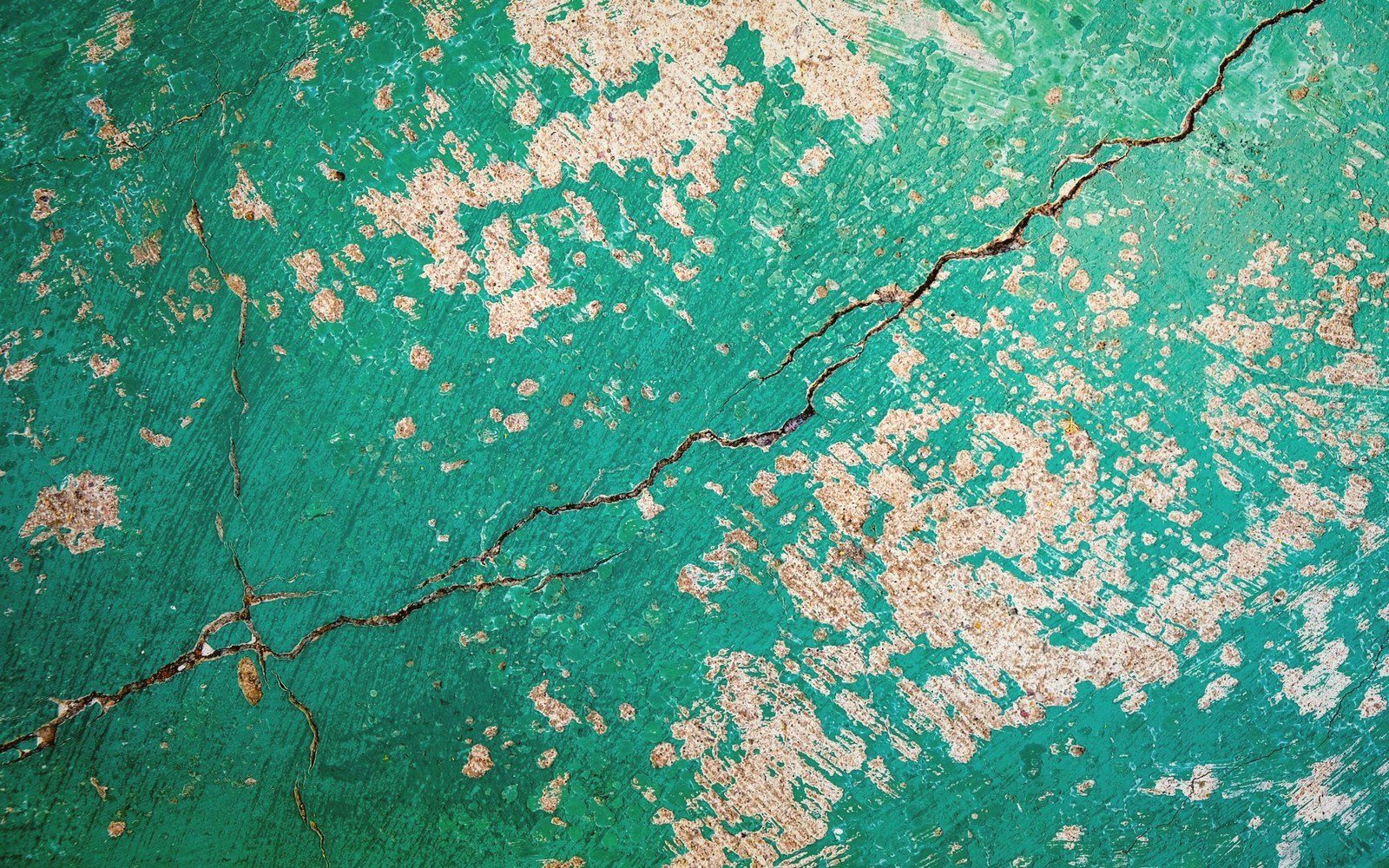
The ground is rigid, brittle with age, and glued to something that moves. That is the whole problem in one sentence.
Photo: Magda Ehlers / Pexels
The network is not random
Craquelure — the network of cracks across an aged paint film — looks, at first glance, like a uniform texture, the visual equivalent of old age itself. It is nothing of the kind. Age plays a part, but so does the support, the ground thickness, the pigments used, and every intervention the painting has undergone since it left the studio. Read the pattern carefully and it stops being texture; it becomes evidence.
Start with the support. Oak moves, and it moves along a fixed axis: it shrinks and swells across the grain as humidity rises and falls. On a panel, this means the paint film is under repeated stress in one direction. The crack network that results is strongly oriented — long cracks running parallel to the grain, crossed by shorter perpendicular ones at wider intervals, giving a distinctly rectangular, ladder-like pattern. Rotate a panel in raking light — light dragged obliquely across the surface — and this directionality becomes unmistakable. On a canvas support, by contrast, the stress is more isotropic, and the cracks form a roughly polygonal mesh without that pronounced grain-parallel alignment.
Ground thickness adds another layer of information. A chalk-and-glue preparation laid generously — as Flemish and Dutch workshops routinely did — is prone to cupping between the cracks: each island of paint and ground curves slightly upward at its edges as the ground contracts. The thicker the ground, the wider the islands tend to be, and the more pronounced the cup. Where the ground is thin or was applied in careful stages, the islands are smaller and lie flatter. A conservator running a fingertip very lightly across an unvarnished area — or reading the shadows in raking-light photographs — can distinguish these conditions without touching the paint at all.
A sample the width of a hair, set in resin and polished, holds the whole build order in view at once.
Photo: roberto carrafa / PexelsPattern as biography
Crack patterns also record events. Drying cracks — the wide, irregular fissures caused by a paint layer that shrank too fast before the layer beneath had fully cured — look quite different from age cracks. They are broader, with smoother, more rounded shoulders, and they do not follow the grain. They appear early in the object's life, sometimes within years of the painting being completed, and they tend to cluster where paint is thickest or where a fast-drying pigment sits over a slow one.
Heat events leave their own mark: a rapid rise in temperature drives moisture out of the ground suddenly, and the result is a burst pattern — cracks radiating outward from a stress point, sometimes accompanied by active flaking. Cold is less dramatic but cumulative; repeated exposure shifts the crack network incrementally, widening gaps that were already there.
Past treatment is perhaps the most treacherous variable. A panel that was thinned in the nineteenth century — planed on the back to reduce warping — lost the mechanical mass that was absorbing some of the movement stress. Afterwards, the crack network often deepened and spread more aggressively. A poorly fitted cradle changes the pattern differently again: where the battens of the lattice cross the panel, the paint is locally restrained, and the cracks at those points either stop short or change direction abruptly, leaving a ghostly grid visible only in raking light.
Craquelure — the network of cracks across an aged paint film — looks, at first glance, like a uniform texture, the visual equivalent of old age itself.
Overcleaning leaves evidence too — not in the crack pattern itself, but in the relationship between the cracks and the surrounding surface. Solvent that sits too long in the interstices can lift residues, soften edges, and in the worst cases wick material from the paint islands themselves, leaving the cracks whitened and the surrounding film matte. The cracks then read lighter relative to the islands than they should, reversing the tonal logic of an undamaged surface.
None of this is reading tea-leaves. It is pattern recognition built on physical understanding of what each layer does under stress — and once you know what to look for, a good photograph in raking light tells you a great deal before anyone lifts a swab.
What to look for (at a glance)
Lifted out of the piece| Ladder-like, grain-parallel cracks | oak support under repeated humidity stress |
| Polygonal mesh without directionality | canvas support, or very stable storage history |
| Wide islands with cupped edges | thick chalk-and-glue ground |
| Broad, rounded cracks not following the grain | drying cracks, caused by the paint itself early in life |
| Burst/radial pattern at a point | heat event, sometimes accompanied by flaking |
| Crack network stopping or changing direction in a grid | cradle battens restraining movement from the back |
| Whitened crack interstices with matte islands | solvent damage from overcleaning |
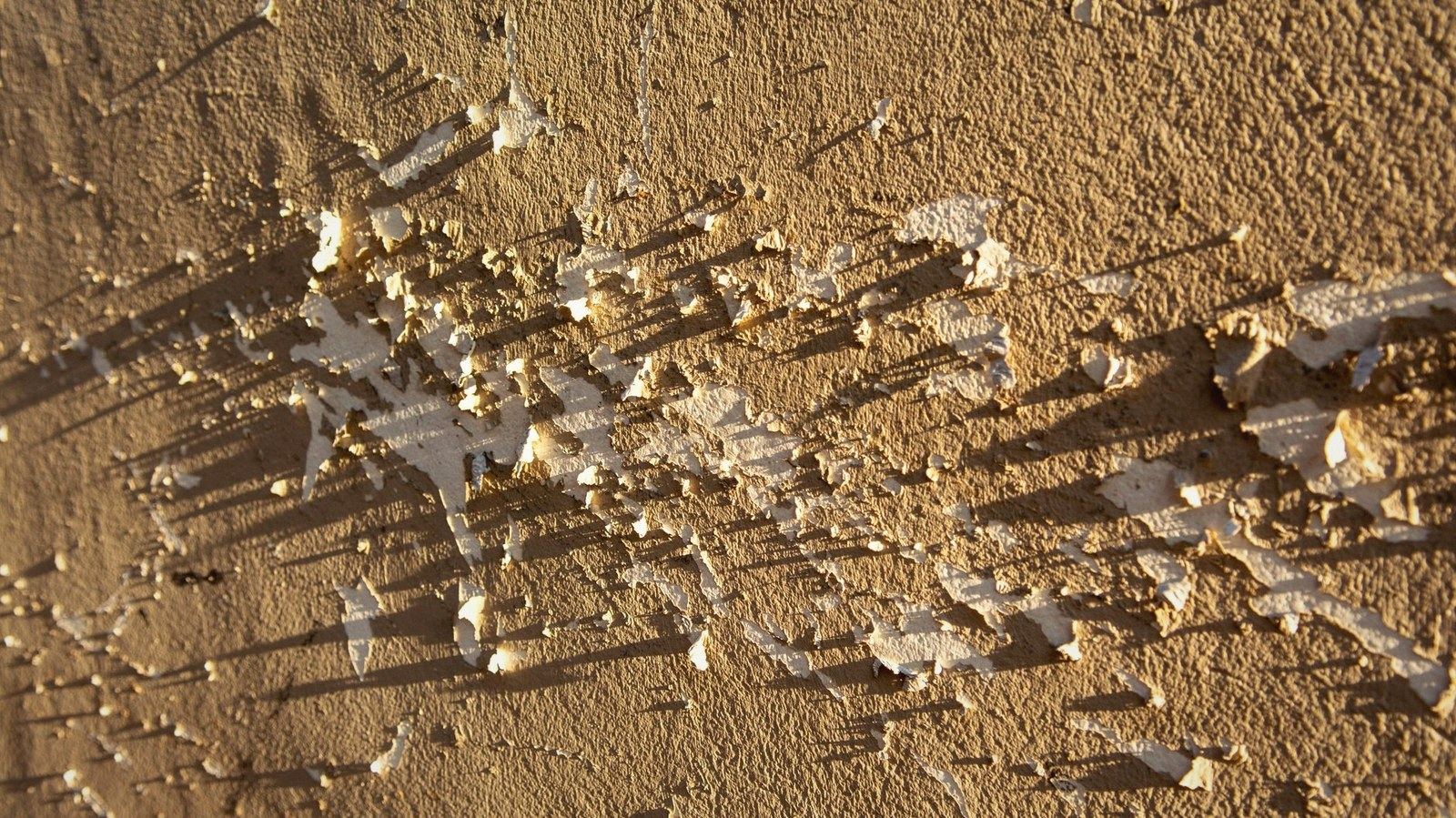
Raking light at a shallow angle turns every deformation in the surface into a shadow — cracks, cupping, and the ridge along a join all read at once.
Photo: Jan van der Wolf / Pexels