Drying cracks
The cracks that open before a painting is a year old — and what they tell you about how the paint was built.
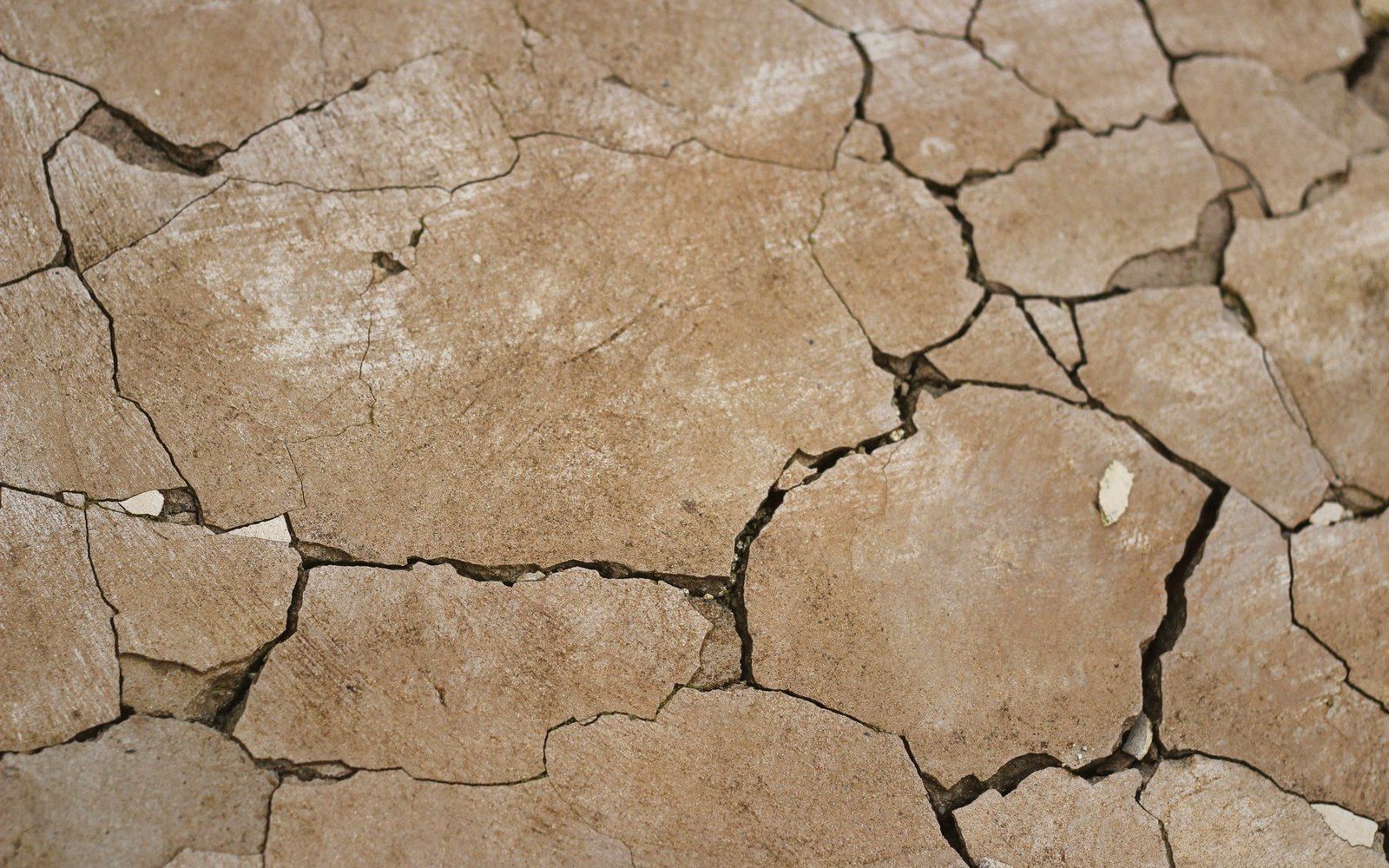
Paint was built up in thin passes, each one relying on the layer beneath it to do part of the work.
Photo: Yuri Elizegi / Pexels
The Paint's Own Fault
Not every crack in an old panel is a mark of age. A handful of the most dramatic ones — wide, open channels that run through the paint layer itself — were already there when the work left the studio. They are drying cracks, caused by the paint film shrinking faster than the layer beneath it could accommodate, and they are as much a document of technique as they are of failure.
The mechanism is straightforward. Oil paint dries not by evaporation but by oxidative polymerisation: the oil absorbs oxygen and cross-links into a solid film. Different pigments catalyse that reaction at very different rates. Lead white, loaded with metal ions, dries quickly. Bituminous browns — Vandyke brown, certain asphaltum mixtures — may remain tacky and mobile for decades. When a fast-drying layer is laid over a slow one, or a thick passage of underdried paint receives a fresh layer on top, the outer skin locks up while the material below is still moving. Something has to give, and it gives in the upper film: a crack opens, usually wide enough to see light through, with softly rounded or even rolled edges where the paint was still plastic when it tore.
Those rounded edges are the diagnostic detail. Age cracks — the fine networks that develop over centuries as the whole paint film slowly contracts — tend to have sharp, angular walls. A drying crack has a different character: it curves, it gapes, and its floor often shows the layer below in reasonable condition. Crack networks are diagnostic in exactly this way: the geometry of an edge records the state of the paint when the crack formed.
What a conservator can match is limited by what is in the jars, and by what the original was.
Thick, heavily loaded passages are the most vulnerable — impasto highlights, areas where the painter worked wet into wet over underdried ground passages. Certain Flemish and Dutch painters of the seventeenth century pushed their surfaces in exactly these ways, and drying cracks are a recurring finding in technical examinations of their work. Rembrandt's impasto in particular have received sustained attention from conservation scientists, though drying failure was by no means unique to him or to any one studio practice.
Because the crack predates everything that followed — subsequent varnishing, ageing, collection history — it may be filled and painted over by old restorers, making it invisible until retouching is removed or raking light shifts the reading. Finding one under restoration material is not a surprise. It is evidence that the problem was noticed early, possibly by the painter himself.
A handful of the most dramatic ones — wide, open channels that run through the paint layer itself — were already there when the work left the studio.
What to look for
Lifted out of the piece- Wide, open channels,distinct from the fine-mesh age-crack network
- Rolled or rounded crack edgesindicate the paint was plastic when it tore
- Floors showing a different, intact layer beneath
- Raking light as the primary tool for reading crack geometry
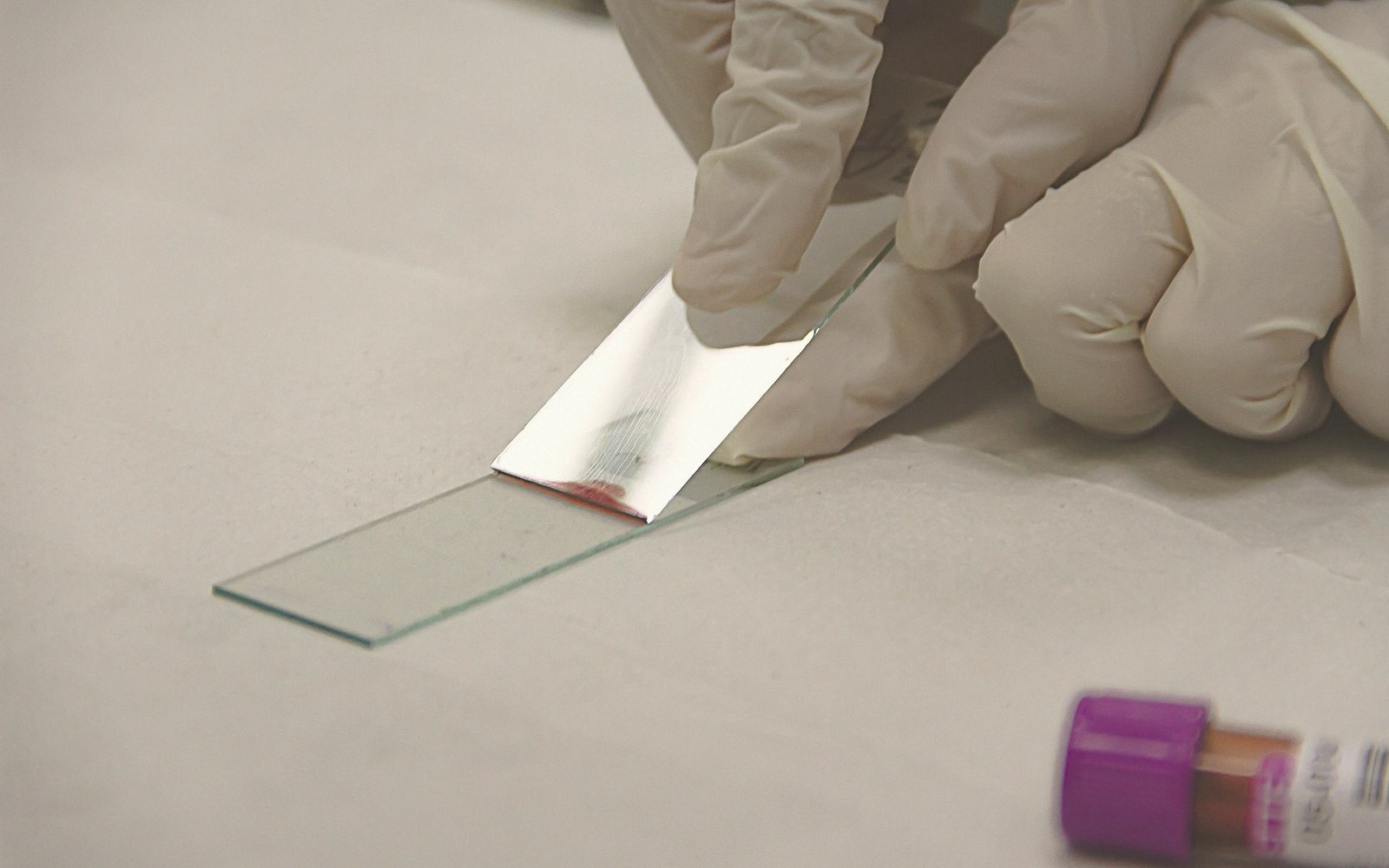
A sample the width of a hair, set in resin and polished, holds the whole build order in view at once.
Photo: roberto carrafa / Pexels