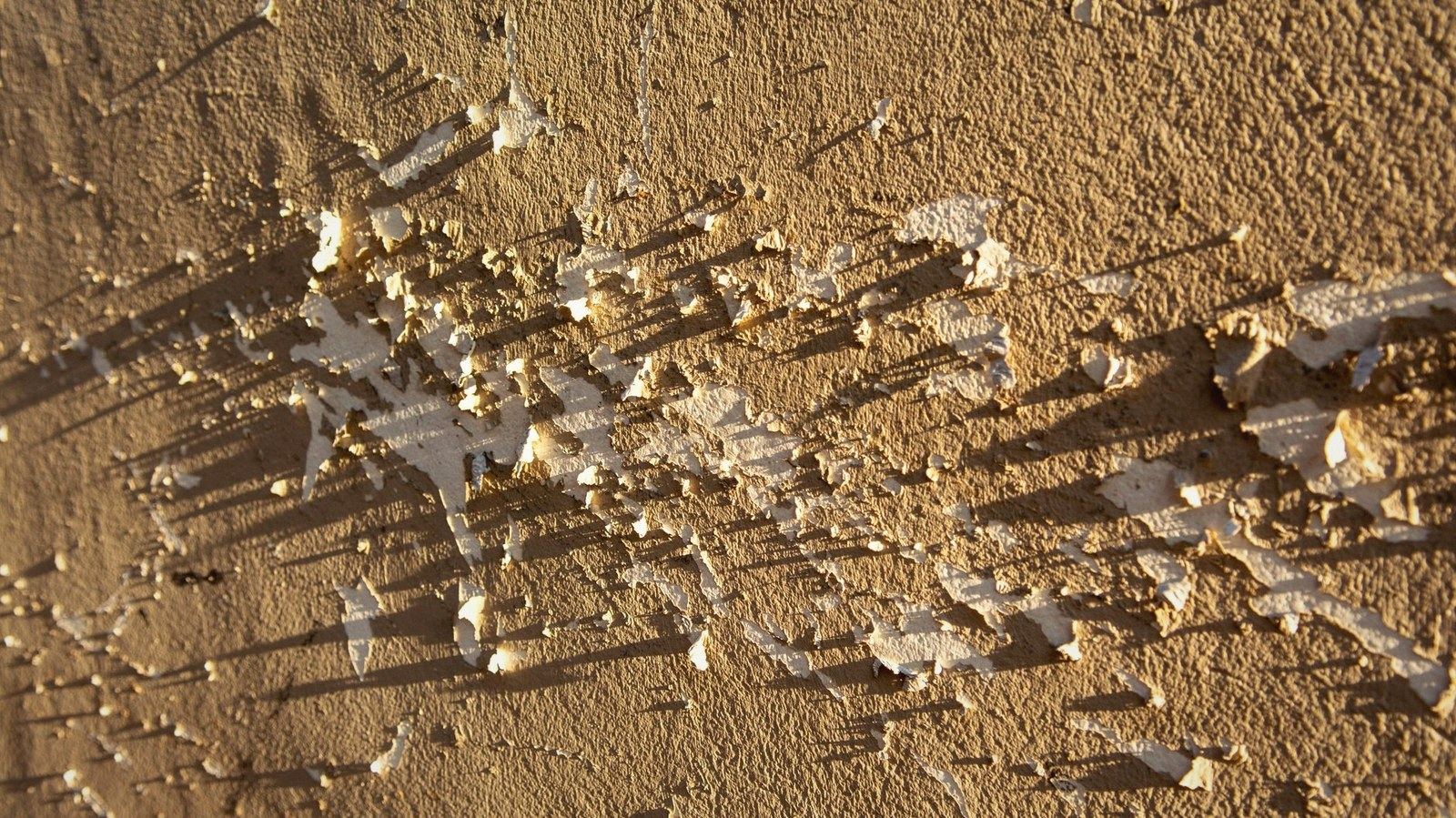
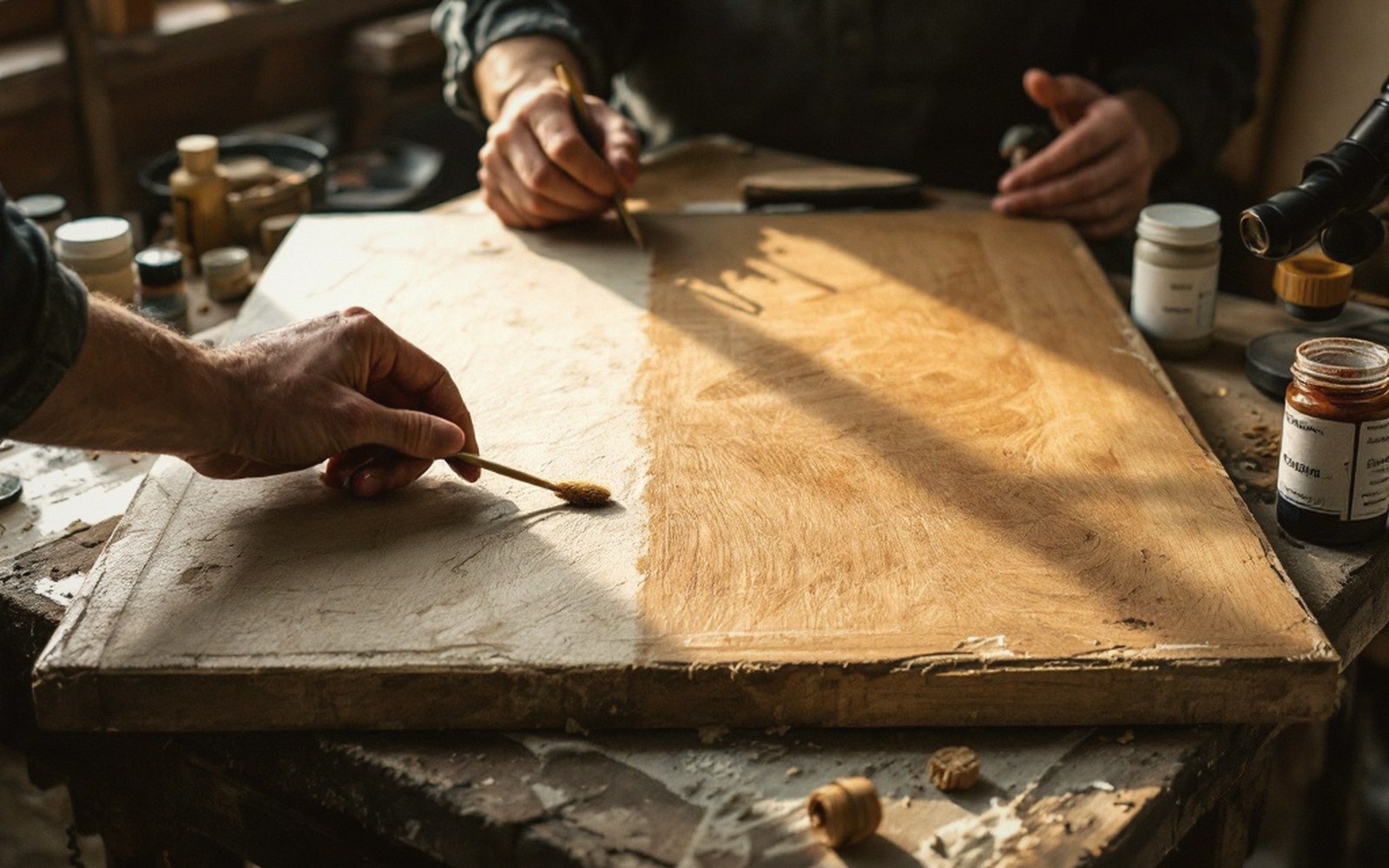
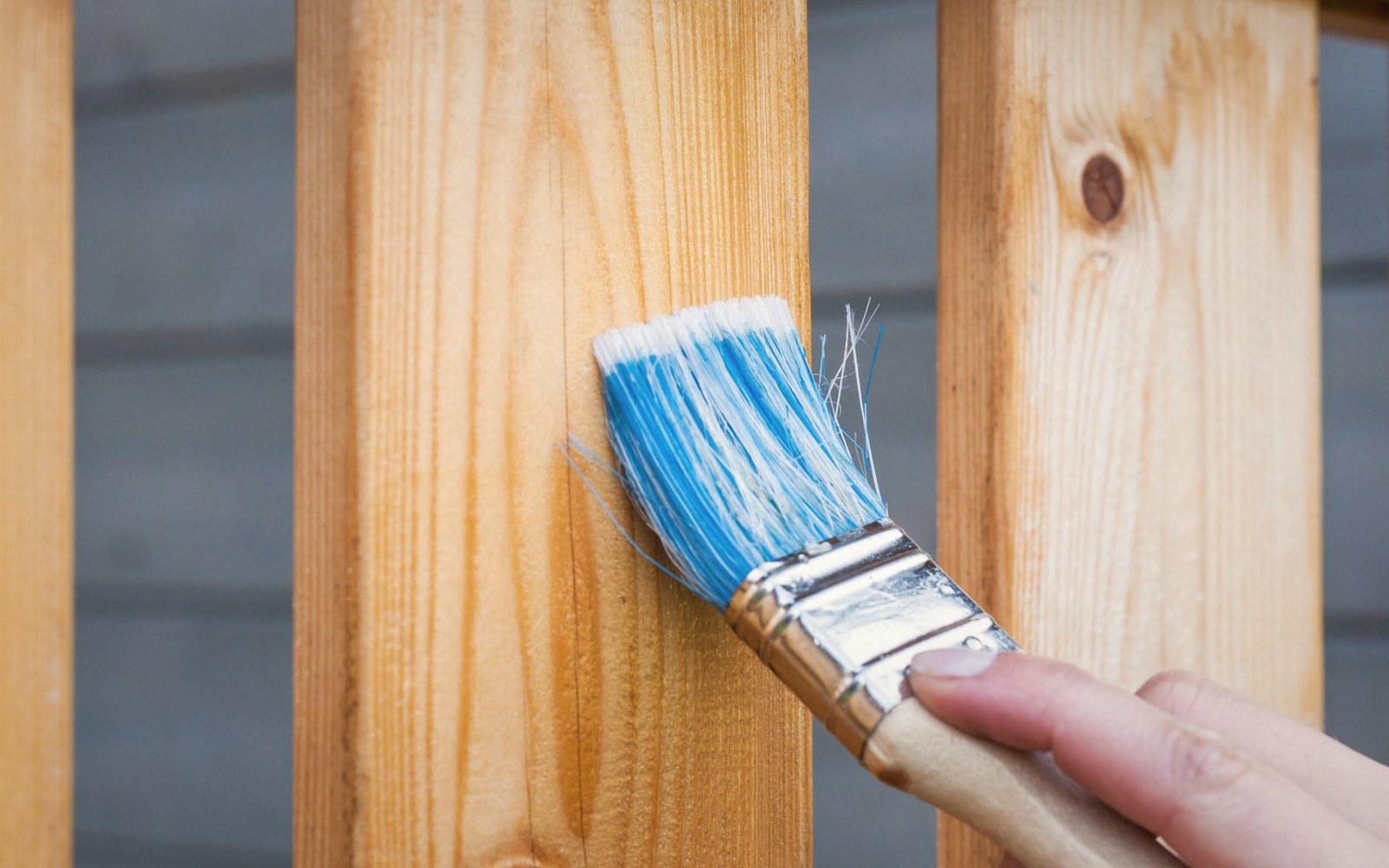
A beam held almost parallel to the surface is how a lifting paint film is read: each flake casts its own shadow, so the extent of the cleavage becomes measurable rather than merely visible.
Photo: Jan van der Wolf / Pexels
Oak never stops moving
A panel responds to every change in humidity for as long as it exists, and it moves far more across the grain than along it. Almost every structural problem a panel painting has begins there.
Read the pieceA painting is a stack of thin decisions: oak cut the right way, chalk bound in glue, a priming, dead colour, and glazes laid so thin that the layer under them still does the work. Every one of those layers ages at its own rate.
This site follows the build in order, then follows what the four centuries after it did to each step in turn.
The panel in six layers
Read bottom to top- 06DamageCracks, cupping, losses and flaking.3 entries
- 05The ReverseCradles, battens and what was done to the back.4 entries
- 04The VarnishYellowing, and how far to take it off.5 entries
- 03The PaintGlazes built thin, and the one that fails first.5 entries
- 02The GroundChalk, glue and the layer everything else sits on.4 entries
- 01The SupportOak, grain direction, and the movement that never stops.5 entries
Oak, grain direction, and the movement that never stops.
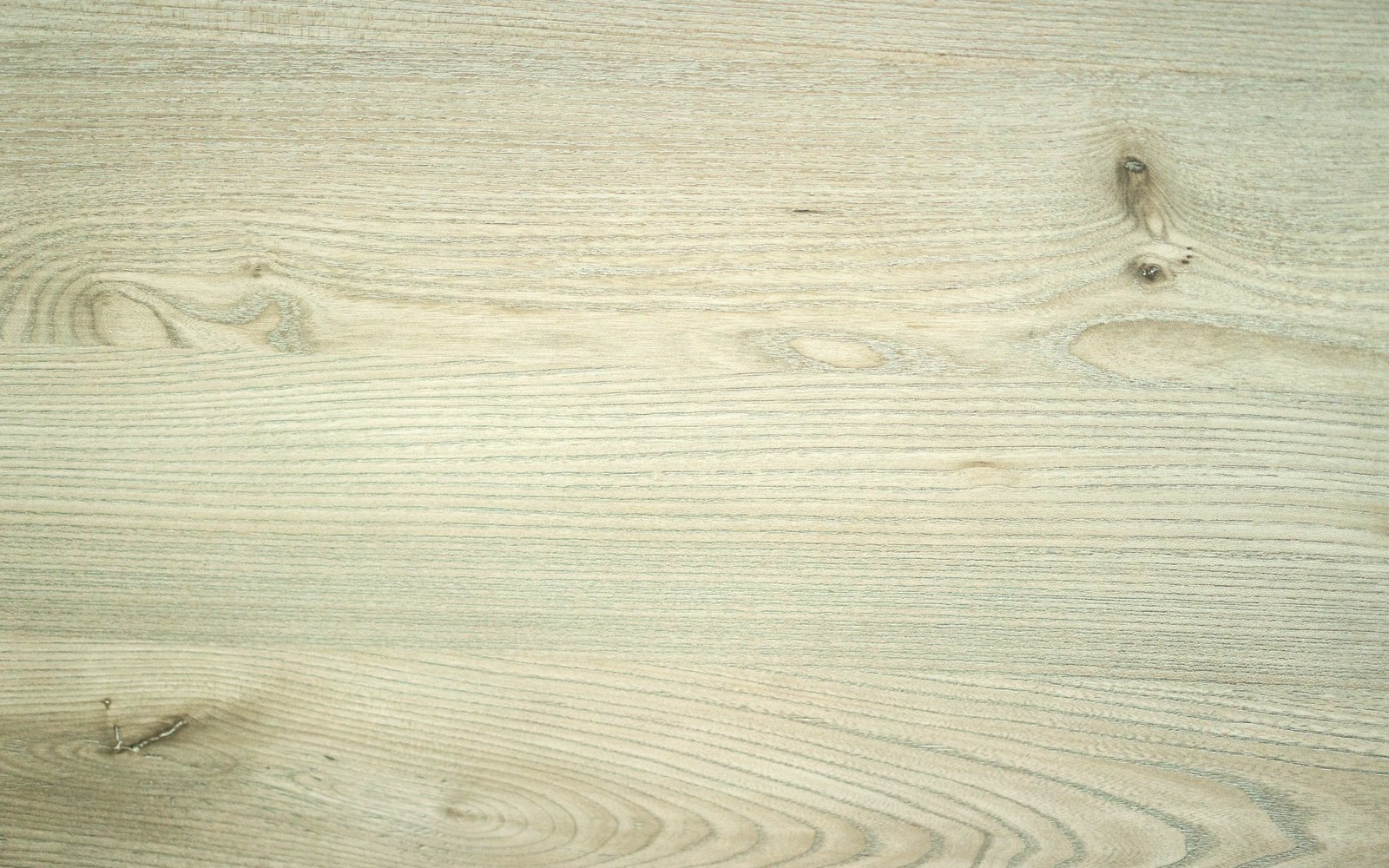
Oak never stops moving
A panel responds to every change in humidity for as long as it exists, and it moves far more across the grain than along it. Almost every structural problem a panel painting has begins there.
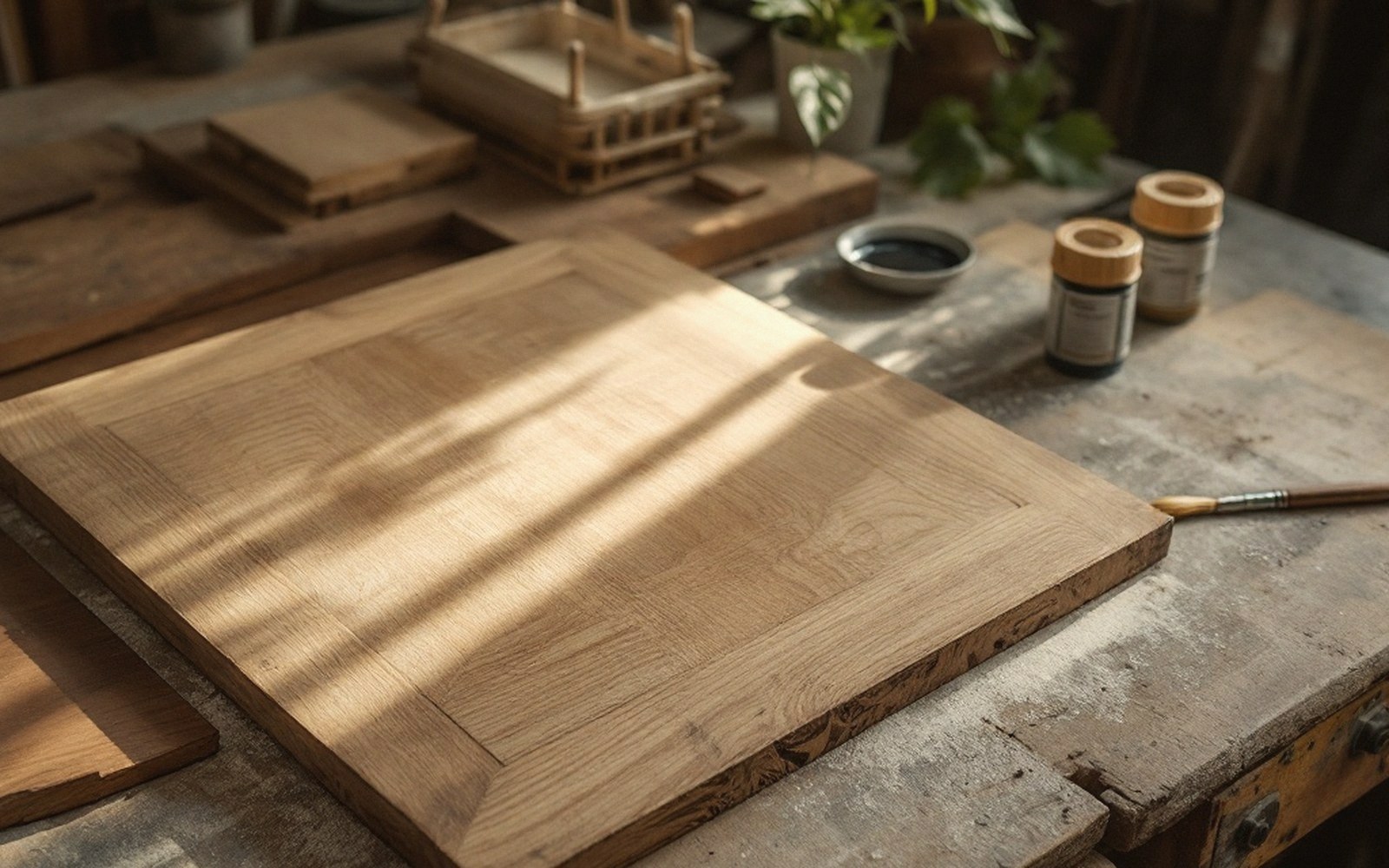
Quarter-sawn
Boards cut radially move least. What the grain pattern tells you about the cut.
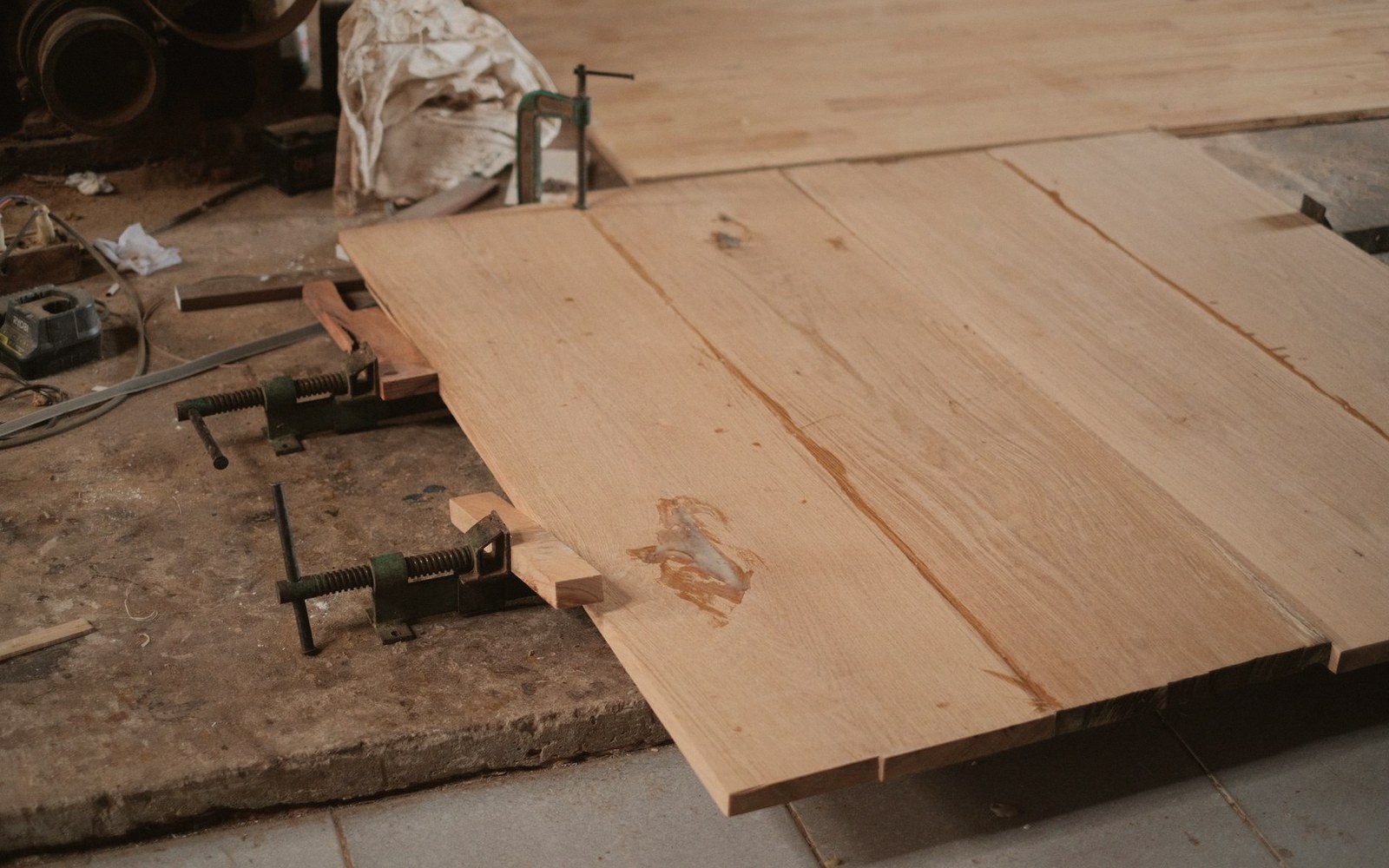
The join
Two boards glued edge to edge, and the seam that opens first.
Chalk, glue and the layer everything else sits on.
Glazes built thin, and the one that fails first.
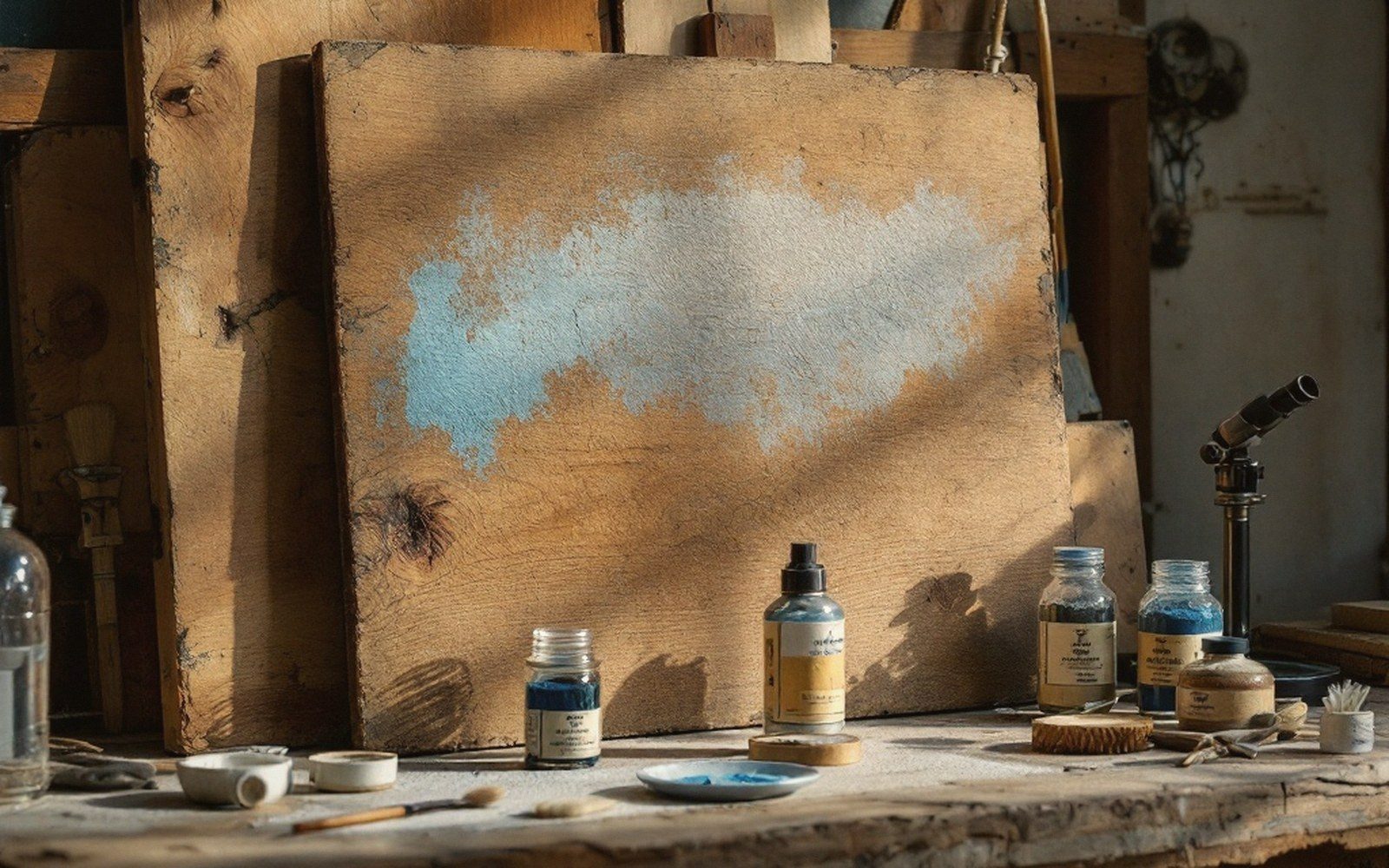
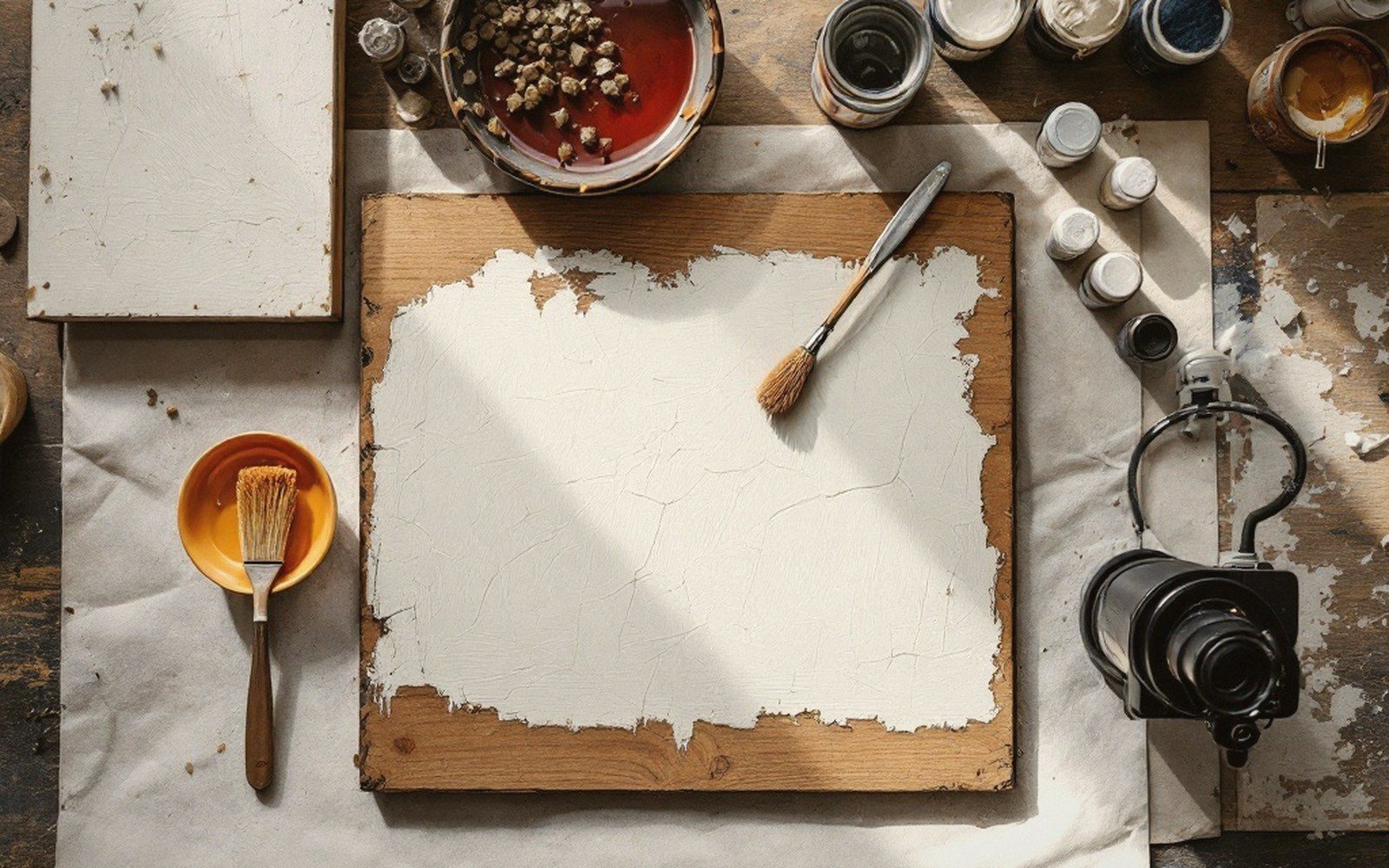
Yellowing, and how far to take it off.
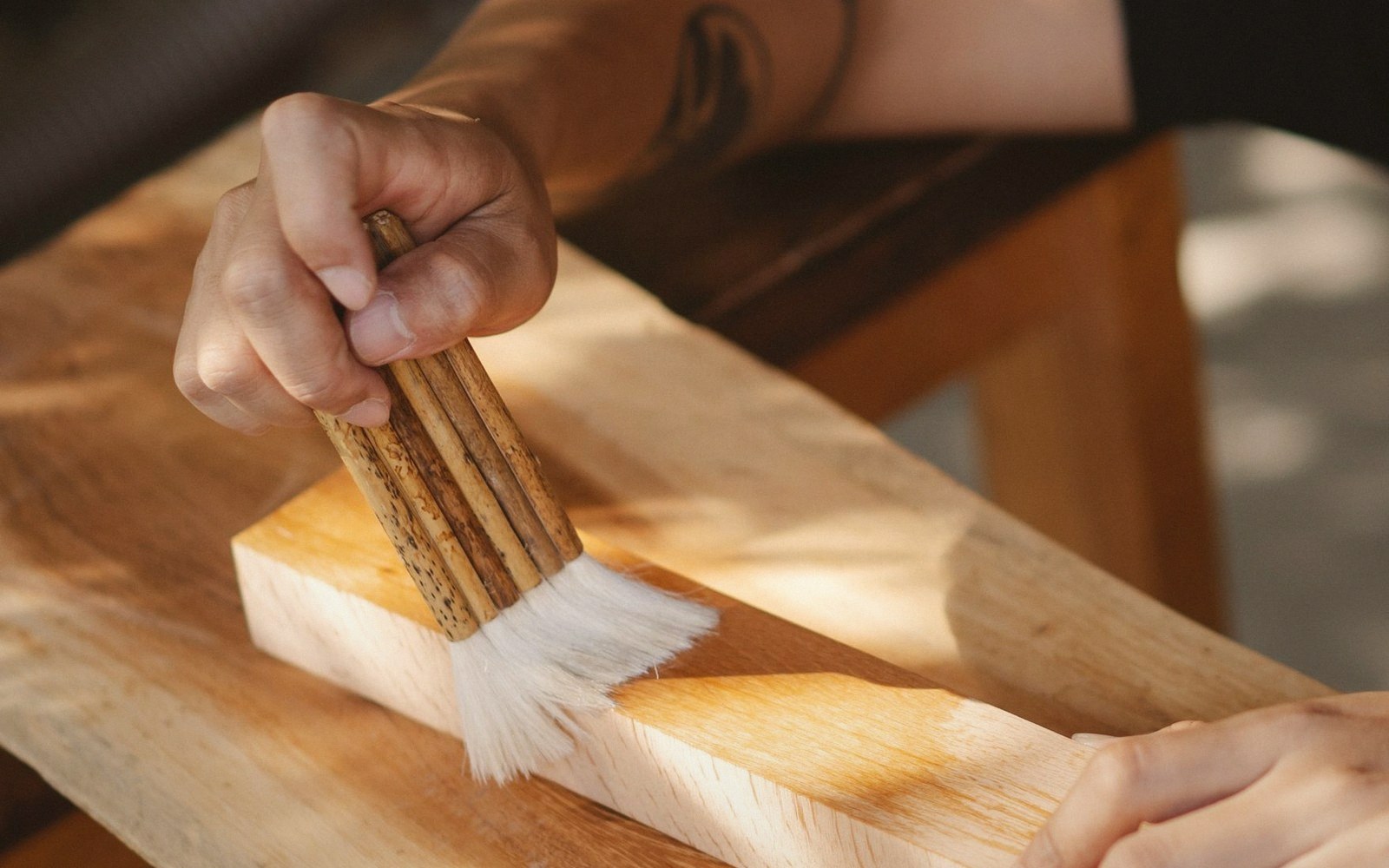
How far to take it off
Old varnish is yellow, uneven and sometimes the only thing holding a surface together. The cleaning window, and the judgement it forces.
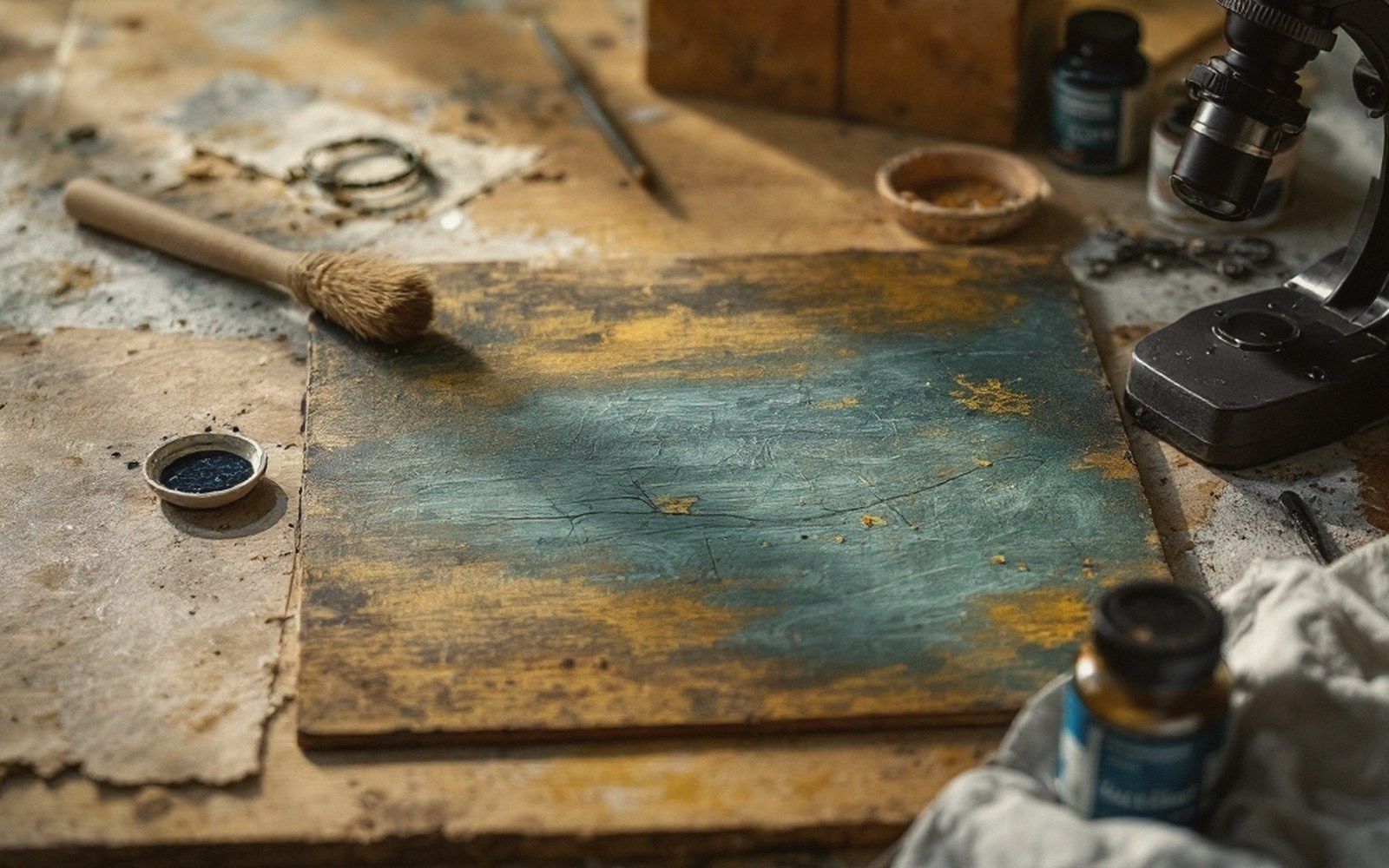
Why varnish yellows
Oxidation, and why the effect is worst in the blues.
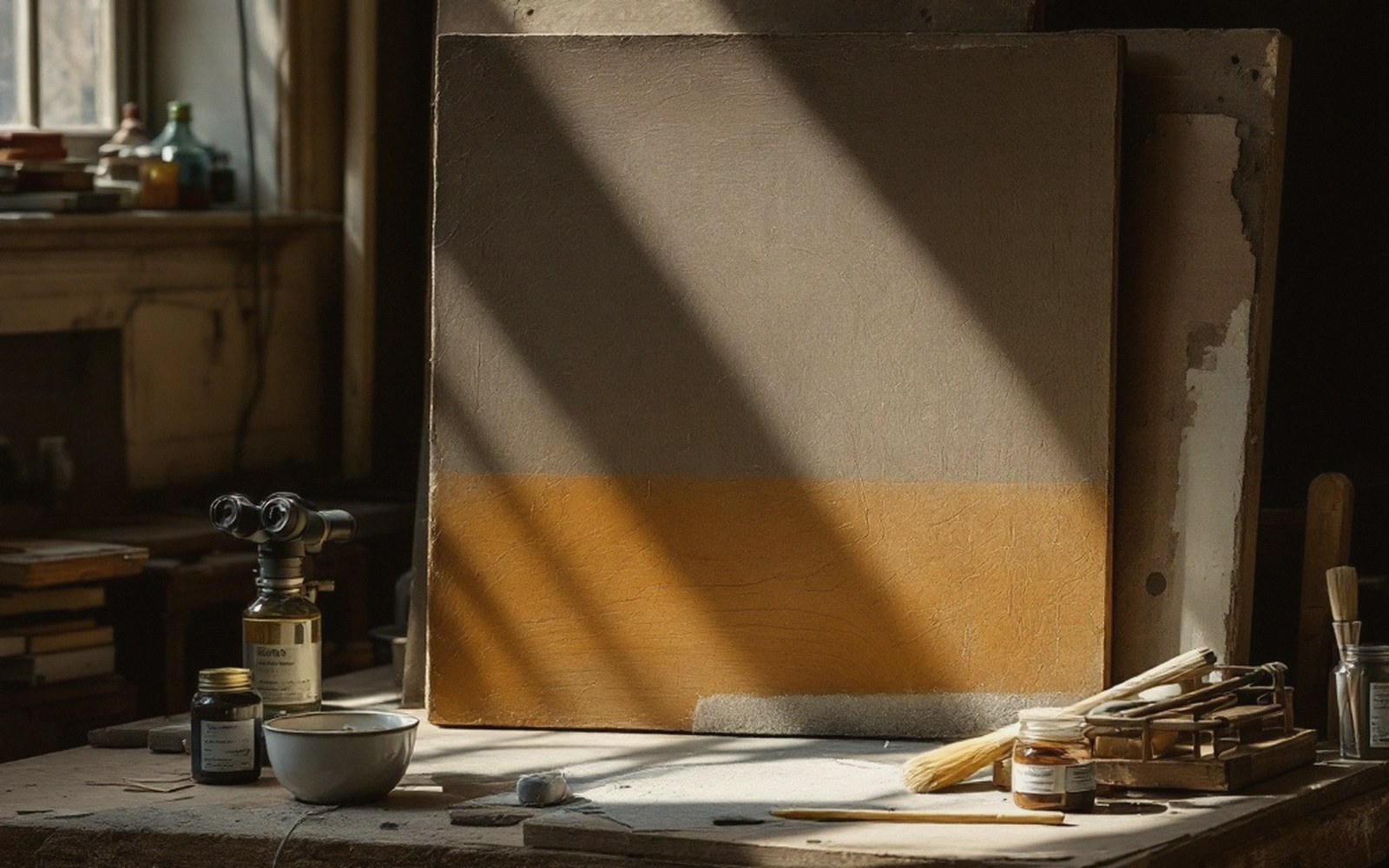
The cleaning window
A clean rectangle opened in a dirty surface: the test, and what it proves.
Conservators and collections we study beside.
Supporters of the workbench DEEPER Does for sensation what a final glaze does for colour: quiets it, concentrates it, makes it permanent.
 Icon Male Knows that the most compelling figure in any composition is usually the one you weren't meant to notice first.
 Haze HerEvery layer must prove itself before the next one goes down.
 Big Tits Round Asses Values generous form the way a Flemish ground values a thick, even chalk.
And the houses that keep the lights on
 Disruptive Films Treats convention the way a restorer treats yellowed varnish — strip it back and see what was always underneath.
 Dancing Bear Brings the same unpredictable energy to a room that raking light brings to a hidden pentimento.
 Evil AngelThe varnish looks innocent enough until you see what the cleaning argument really reveals.
 Couple Swapping Even the finest ground benefits from a fresh support beneath it.
 Swap.FamilyFour panels, four joins, one structure — the concept is older than it looks.
 Lil HumpersSometimes the least expected element in the composition is the one that holds everything together.
 Detention Girls Understands that correction, like cradling warped oak, demands its own firm discipline.
 Transfixed Delivers the kind of luminous, build-it-thin beauty that takes four centuries to fully appreciate.
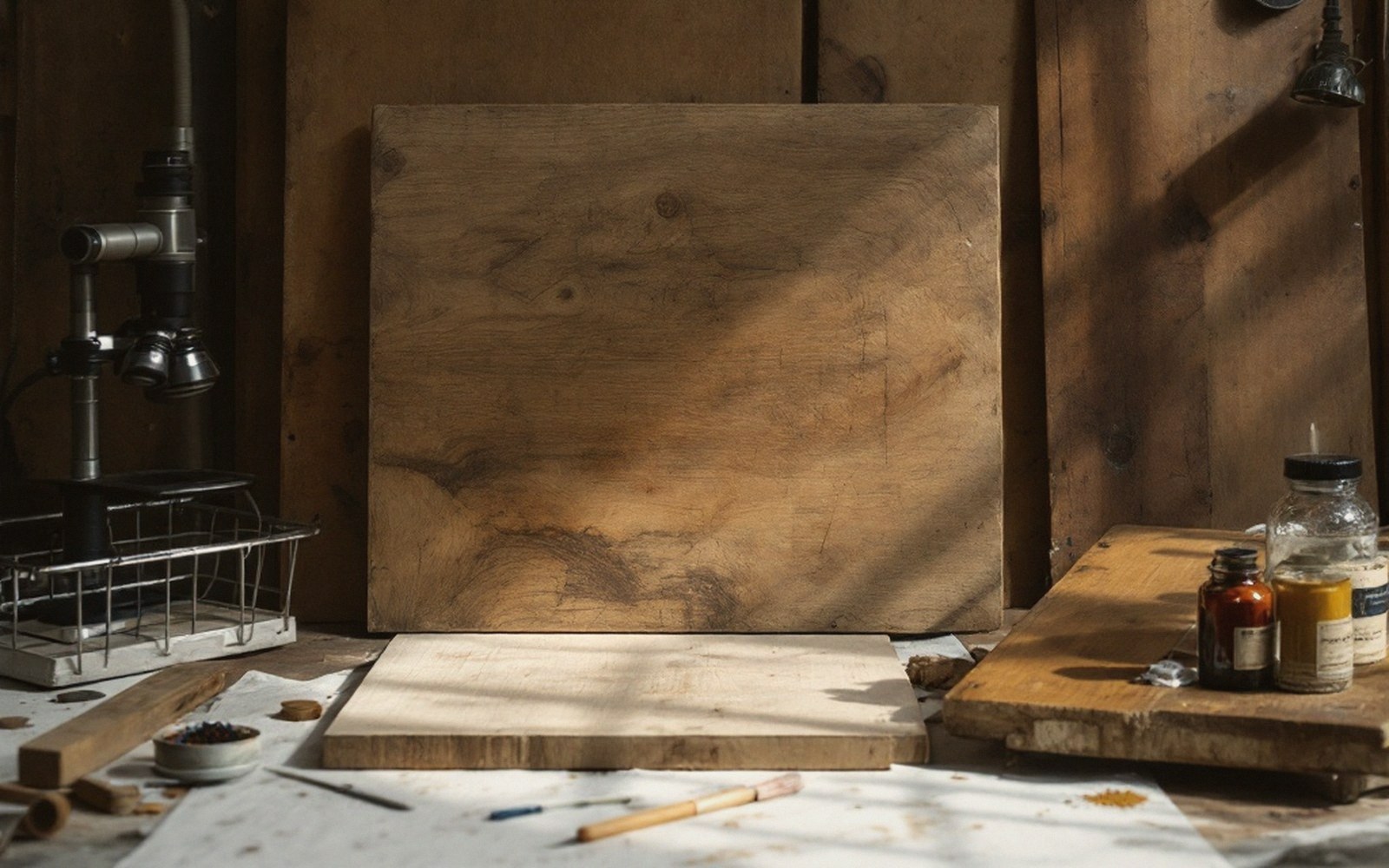
Cracks, cupping, losses and flaking.
On the bench
Examination, and what it turns upRaking light
A single source held almost parallel to the surface. Every ridge, hollow and filled crack turns into a shadow you can measure.
The crack network
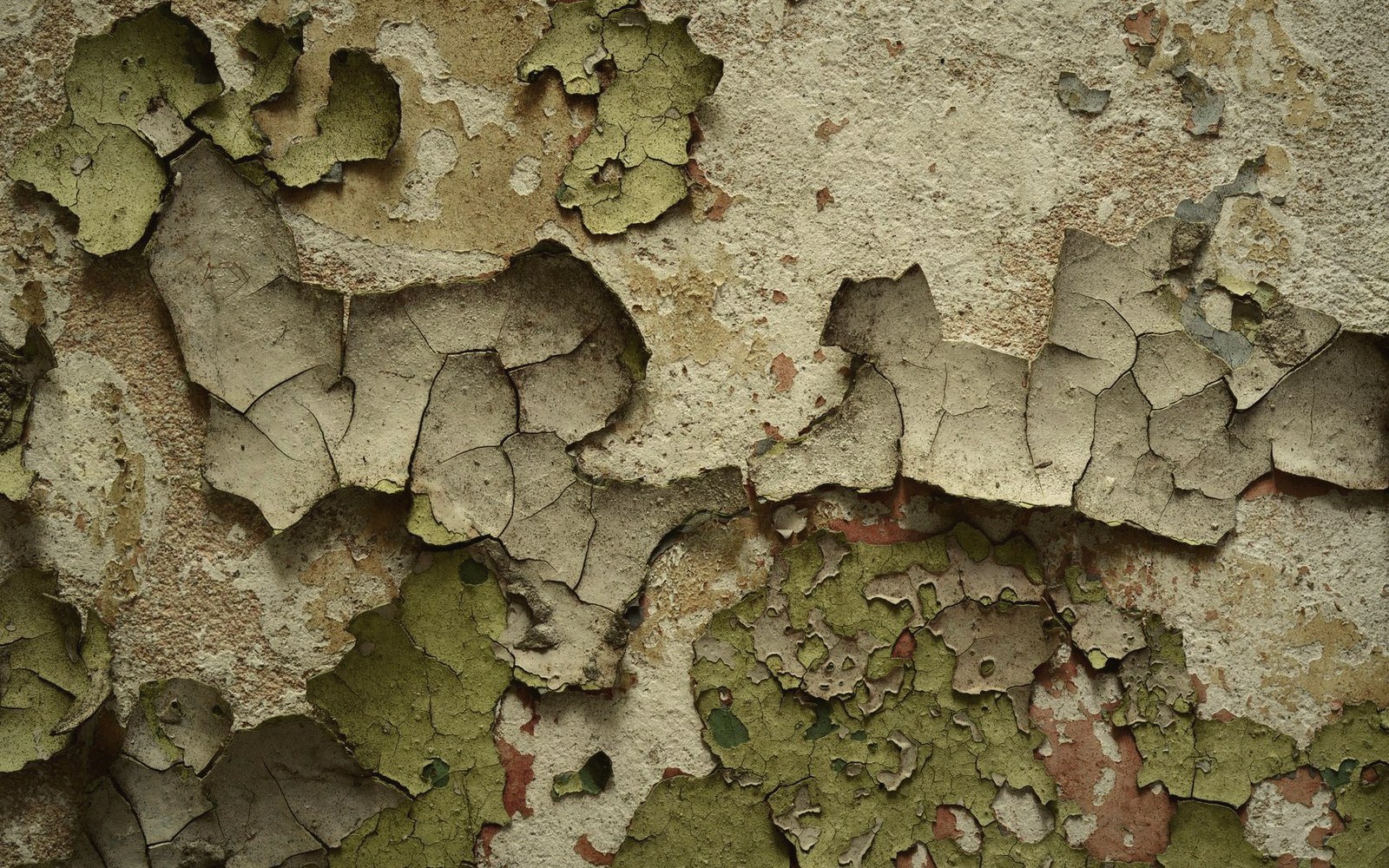
Age cracks run through every layer and follow the grain. Drying cracks do neither, and mean something else entirely.
Cross-sections
A sample less than a tenth of a millimetre thick, set in resin, holds the whole build order in one view.
Solvent tests
The mildest system that has any effect, tried in a square you can defend afterwards.
How far to take it off
The one question on this bench that is not a matter of technique.
| Take it all off | Leave some of it |
|---|---|
| The claim | Obscured paint is not accessible to anyone. The viewer sees the varnish, not the painting. |
| The cost | Every trace of how the picture was seen across four centuries goes with it. |
| The risk | Old retouching sits at the same solubility as the resin above it, and may come off too. |
| The endpoint | Partial cleaning — stopping at an earlier, more stable coat — is a defensible result, not a compromise. |
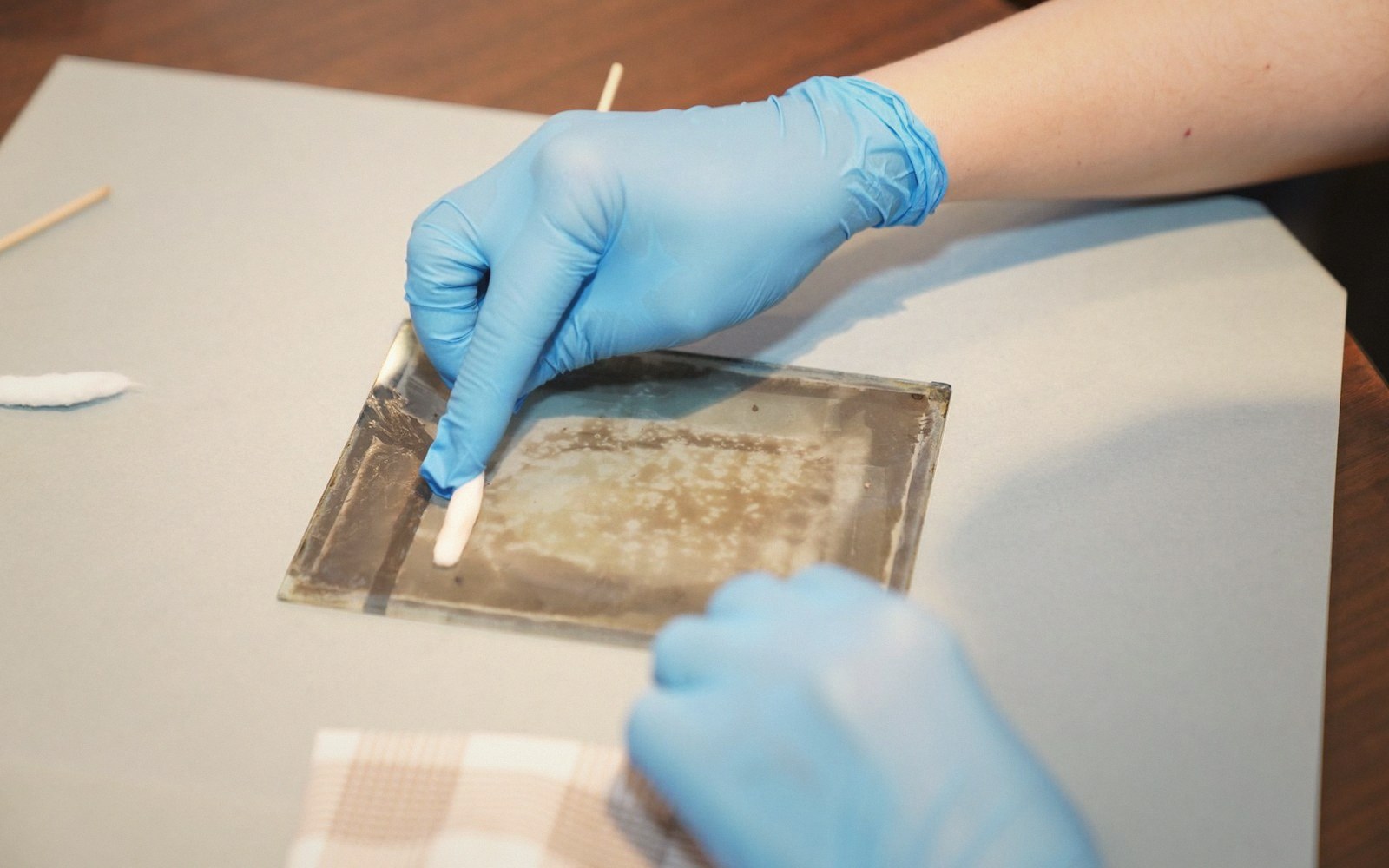
The cleaned patch cannot be unread. Once it is open, leaving the rest untouched is also a decision.
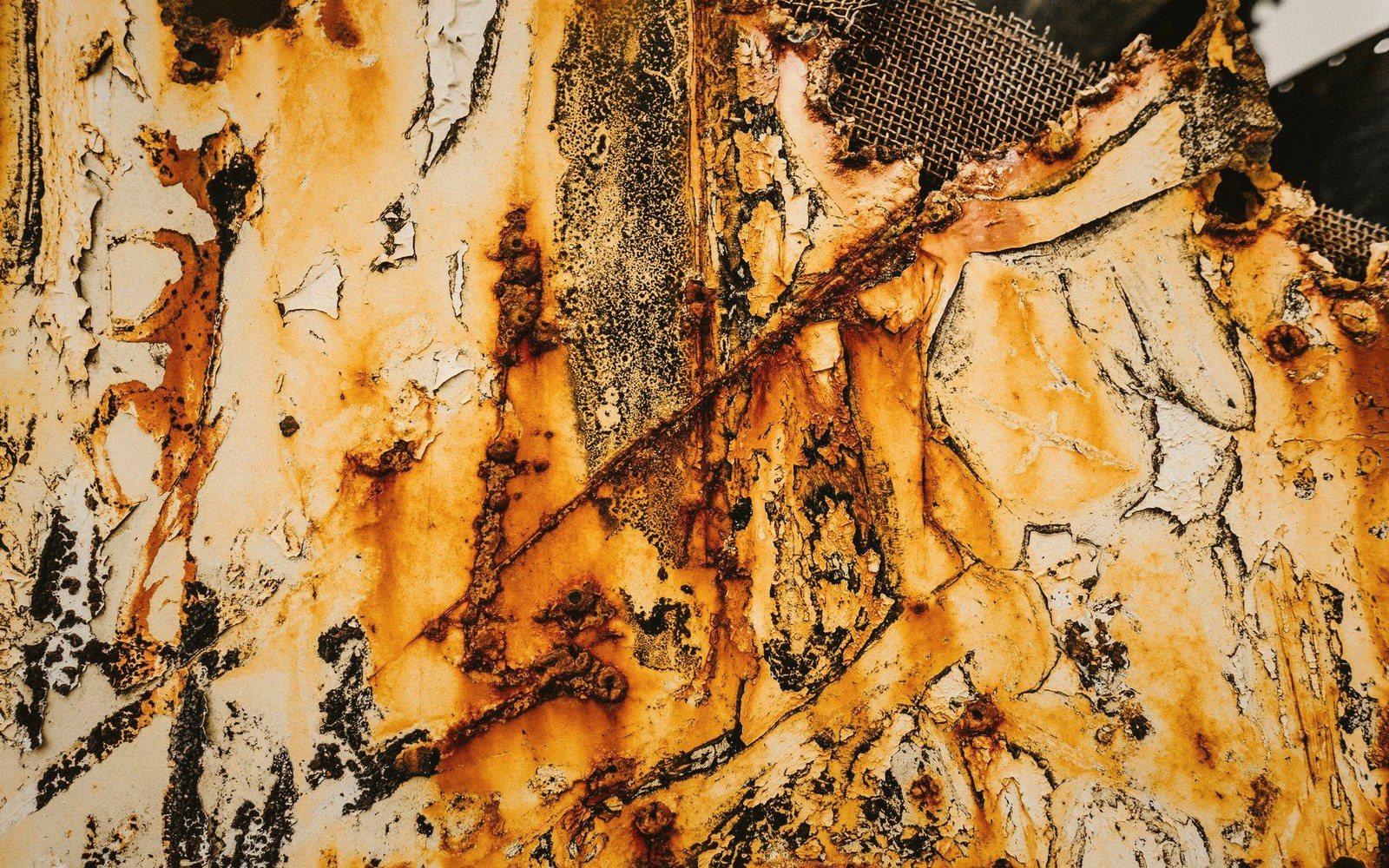
Photo: Tahir Xəlfəquliyev / Pexels