Oak never stops moving
A panel responds to every shift in humidity for as long as it exists. Almost every structural problem in panel painting begins with that single, obstinate fact.
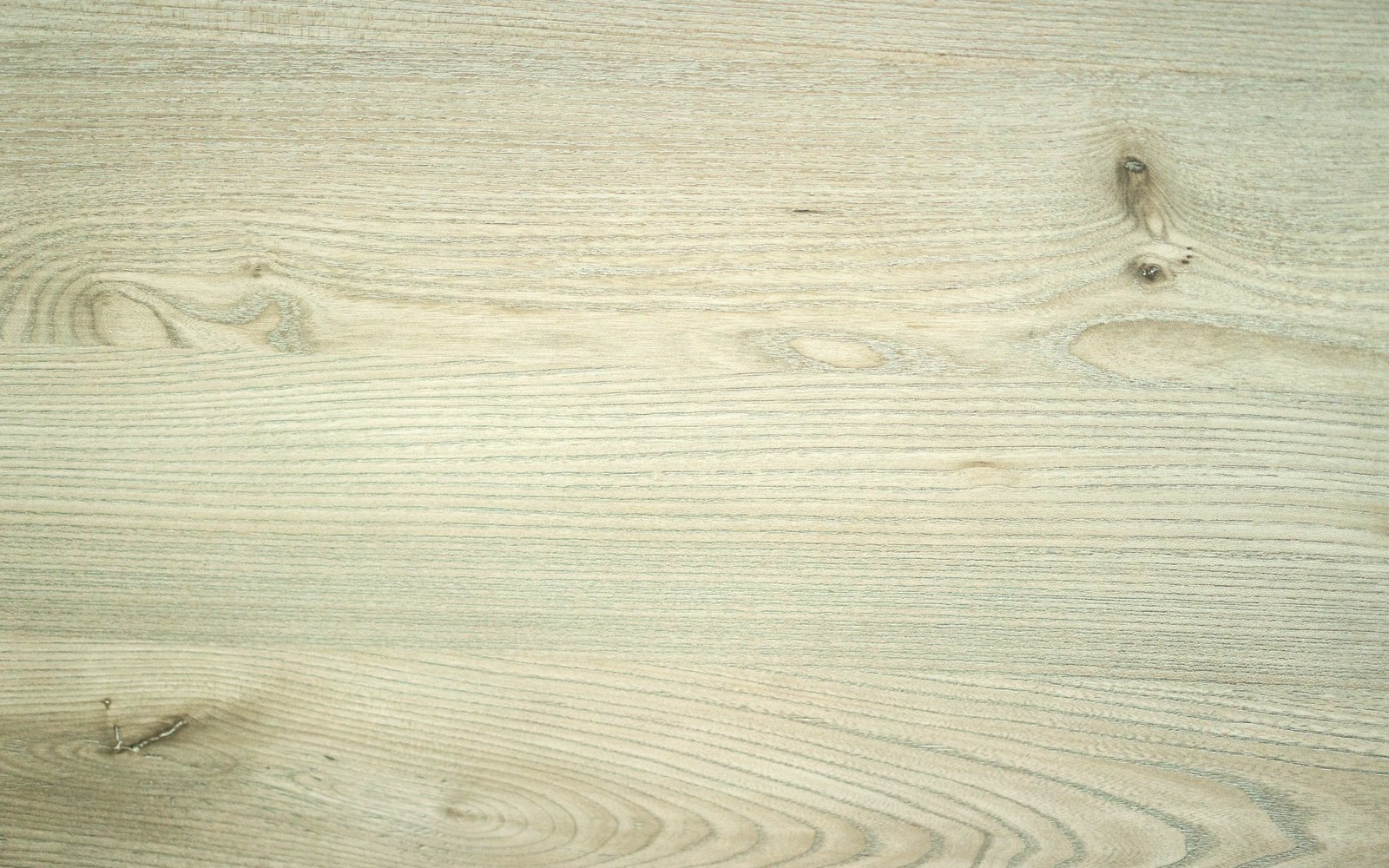
The support is the only layer that was once alive, and it never entirely stops behaving as though it still is.
Photo: Atlantic Ambience / Pexels
The Wood Has No Memory of Being Cut
An oak tree manages water. Its cells absorb it, release it, swell and shrink in response to the seasons, and the cells do not stop behaving that way simply because the tree has been felled, planked, and deployed as a painting support. They slow down as the wood seasons and dries; they slow down again once they are coated with ground and paint. They do not stop. A panel hanging in a Dutch interior in 1640 was still responding, microscopically, to the difference between a damp February morning and a dry afternoon with the stove lit. The same panel, hanging in a museum with climate control today, is responding to the difference between the humidity in the gallery and the humidity in the storeroom it was moved from last Tuesday.
The reason matters more than the fact. Wood is made of cellulose cells arranged in long fibres running parallel to the trunk — what we call the grain. Along those fibres, shrinkage and swelling are negligible: perhaps half a percent across an extreme range of moisture content. Across the fibres — radially and tangentially — the numbers are an order of magnitude larger. Tangential movement (the direction that runs around the rings, the cut you get from plain-sawing a log) can reach ten or twelve percent across the full green-to-kiln-dry range. Radial movement (the cut that runs from bark to centre, the direction that yields quarter-sawn boards) is roughly half that. This directional inequality is the engine of nearly everything that goes wrong.
What Happens When a Board Is Wide
Painters wanted wide, clear boards. A single piece of oak fifty or sixty centimetres across meant no join to open, no seam to show through a prepared surface. What it also meant was a plank with a large dimension running almost entirely across the grain — the direction of maximum movement — and a paint stack on top that does not want to move at all.
Think about what is fixed to that board. Chalk ground — the chalk-and-glue preparation — is rigid and relatively brittle, especially once it has aged and lost whatever flexibility it ever had. Oil paint layers above it have crosslinked into a film that is also stiffer than the wood beneath. Varnish on top adds another brittle skin. When the board expands across its width in damp conditions, the paint stack is dragged outward with it. When the board contracts in dry conditions — winter heating, air conditioning, the move from a port storage shed to a collector's warm gallery — it pulls away from its own ground. This is not a catastrophic rupture in a single moment. It is a slow accumulation of micro-stresses, applied season after season, decade after decade, century after century.
The first place those stresses resolve is the ground. The chalk layer cups — its centre rising away from the board — and where it cannot rise any further, it cracks. The crack networks in old panels are partly about age and partly about this perpetual negotiation between wood and paint, and reading them carefully tells you which force was dominant at which period. Wide cracks that track along the grain, opening and closing with seasonal cycles, have a different character from the finer networks caused by the paint film itself drying.
Two boards glued edge to edge. The glue is meant to be the weakest part of the assembly.
Photo: Digital Buggu / PexelsFour Hundred Years of Intervention
Makers and collectors and restorers have all tried to fight the movement, and the history of those attempts is almost as long as the history of the paintings. The simplest early response was a batten — a strip of wood or iron fixed across the grain on the back, intended to hold the panel flat. It never worked entirely, because the board continued moving and the restraint just redirected the stress. The more thorough later response was the cradle: a latticework of fixed strips in one direction and sliding strips in the other, intended to allow movement across the grain while restraining the panel along the grain. It was more sophisticated. It was also capable of causing serious damage, especially when the sliding elements seized — with old glue, with accumulated grime, with corrosion at the metal fittings — and became as rigid as the fixed ones. A panel that cannot move but insists on moving will eventually crack, or cup, or force the ground off its surface in flakes.
The most radical intervention of all was thinning: planing the board down from the back to reduce its mechanical force, which it did, while removing most of the evidence of manufacture and making the support fragile enough to require a secondary backing. Each of these treatments was the best available thinking of its time, and each has left its own complications for the people who work on these objects now.
Modern climate management is the intervention most likely to genuinely slow the cycle, not by stopping oak from responding to humidity — nothing does that — but by reducing the amplitude of the swings it has to respond to. A stable environment at fifty percent relative humidity, maintained without the sharp drops that accompany winter heating or the spikes that accompany summer humidity, means a panel that moves very little rather than not at all. Very little, across four hundred years, is a meaningful improvement.
They slow down as the wood seasons and dries; they slow down again once they are coated with ground and paint.
What Raking Light Shows
Stand a panel in raking light — a single directional source held almost parallel to the surface — and the topography of the board becomes readable. The slight ridge where the ground has pushed up along a join, the cupped hollow between two rings, the fine raised lines of cracks that run with the grain: these are the record of the wood's movements written into the paint surface. Conservators use this routinely as a first diagnostic step, before any instrument, because it is fast and because it shows the structure of the problems rather than just their location.
What it also shows, sometimes, is the ghost of an old repair: a filled crack slightly higher or slightly lower than its surroundings, a patch of retouching where the light catches a different surface texture. The panel's history of movement is inseparable from its history of treatment, and both are inseparable from the painting itself. Strip away the varnish and the retouching and you have a surface that has been moving for centuries. The oak underneath was alive once, and something of that responsiveness persists in the cells long after the tree that grew them is four hundred years gone.
The job of everyone who handles these objects — the conservator, the mount-maker, the registrar planning a loan — is to understand that the movement is not a problem to be solved and then filed away. It is a condition. It will continue for as long as the panel exists, and the best outcomes come from working with it rather than against it.
How wood moves — the numbers
Lifted out of the piece- Along the grainshrinkage and swelling across an extreme moisture range: roughly 0.5%
- Radial (quarter-sawn direction)movement across the grain: roughly half of tangential
- Tangential (plain-sawn direction)maximum movement: can reach 10–12% across the full green-to-kiln-dry range
- Key consequence: a wide panel's largest dimension sits almost entirely in the direction of maximum movement
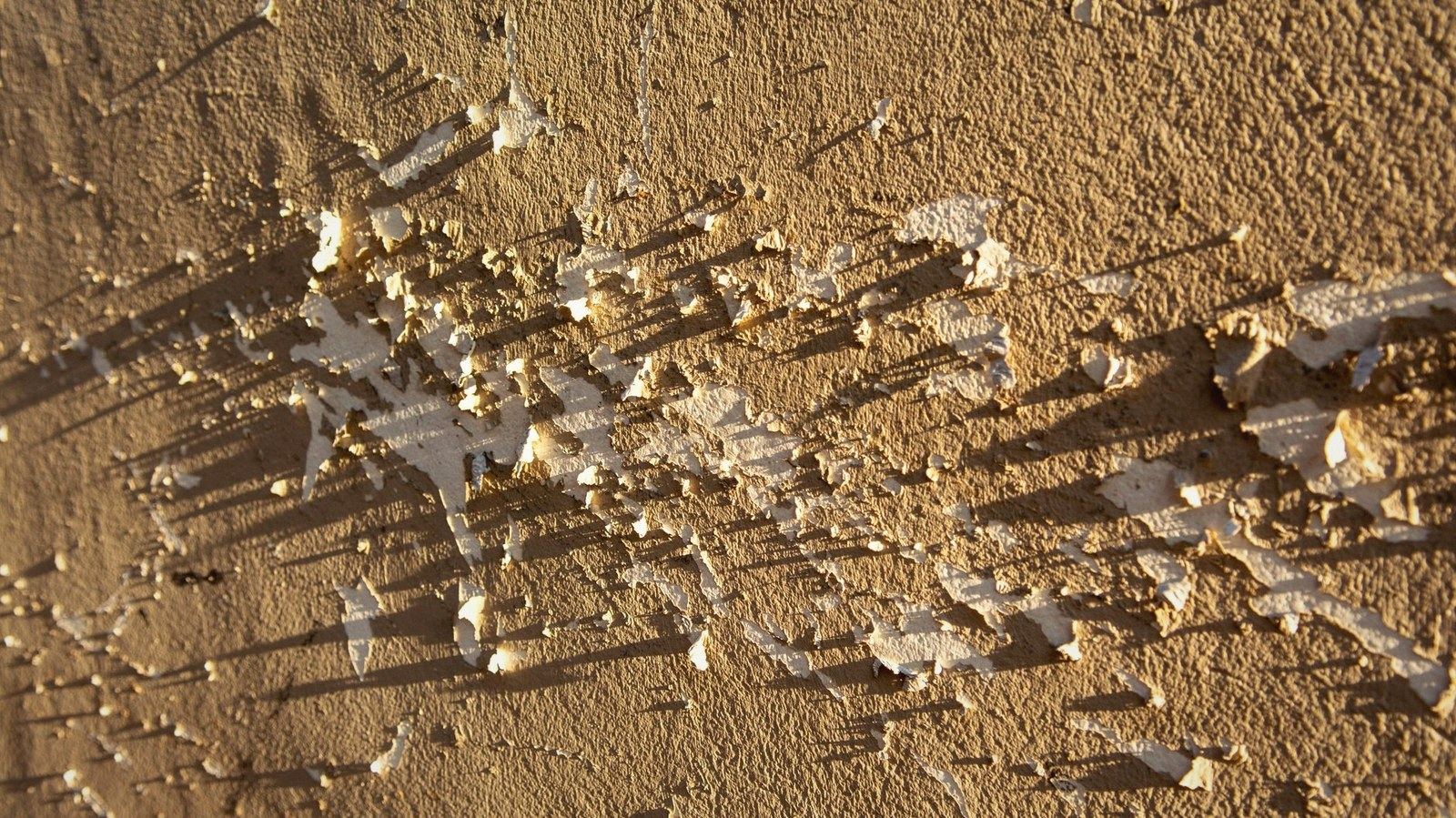
Raking light at a shallow angle turns every deformation in the surface into a shadow — cracks, cupping, and the ridge along a join all read at once.
Photo: Jan van der Wolf / PexelsTimeline of structural interventions
Lifted out of the piece- Early modernBattens (wood or iron strips) fixed across the grain on the back
- LaterCradling — fixed strips one way, sliding strips the other, intended to control movement direction
- 19th–early 20th centuryThinning — planing the back down to reduce mechanical force
- ContemporaryEnvironmental climate control targeting stable relative humidity (typically ~50% RH)