Bevels and barbs
The thinned edge and the ridge of ground at it — evidence of the original frame.
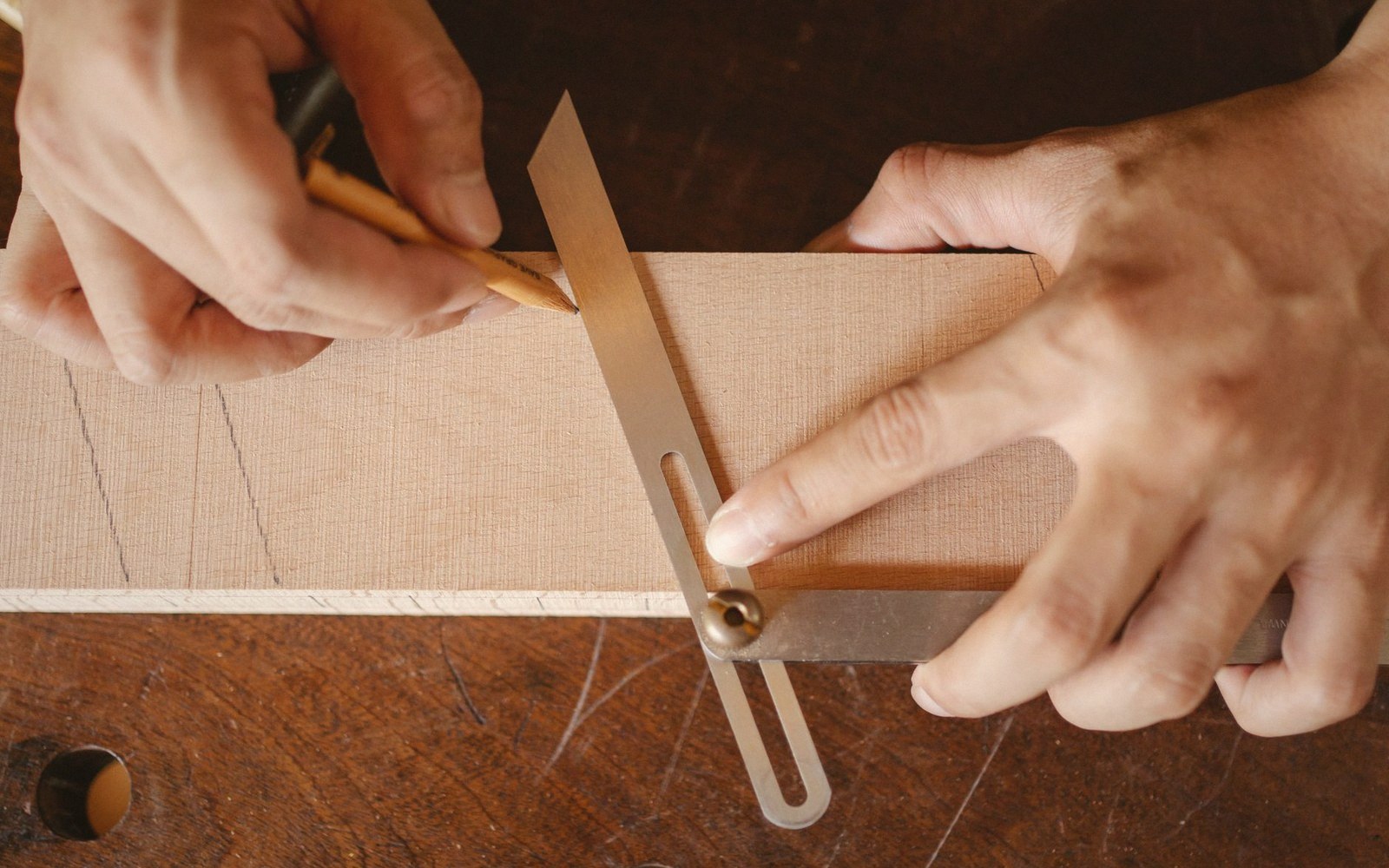
The support is the only layer that was once alive, and it never entirely stops behaving as though it still is.
Photo: Ono Kosuki / Pexels
The thinned edge tells you where the frame was
Run a finger to the outermost edge of a Netherlandish panel and the surface often drops away — a shallow slope, sometimes only a few millimetres wide, where the carpenter planed the wood down before the ground was ever laid. That slope is the bevel, and it is one of the quietest pieces of evidence on the whole object.
The reason for it is structural and practical. Panels were made to sit inside a fixed frame, usually a lijstwerk — a moulded surround mortised and pegged together around the picture before painting began. The bevel allowed the edge of the panel to fit cleanly into the rebate of that frame without the ground or paint layer being crushed at the join. The painter worked right up to the bevel and sometimes onto it, knowing that everything along the sloped margin would disappear behind the frame's inner lip and never be seen.
What sits on top of the bevel — when it survives — is what conservators call the barb: a thin, raised ridge of chalk ground that piled up exactly where the original frame's inner edge pressed against the panel. The ground was brushed across the whole surface, including the bevel, and the frame acted as a physical stop. Ground that reached the frame face built up against it; when the frame was eventually removed, that slight ridge was left standing, a cast in chalk of the rebate's inner profile.
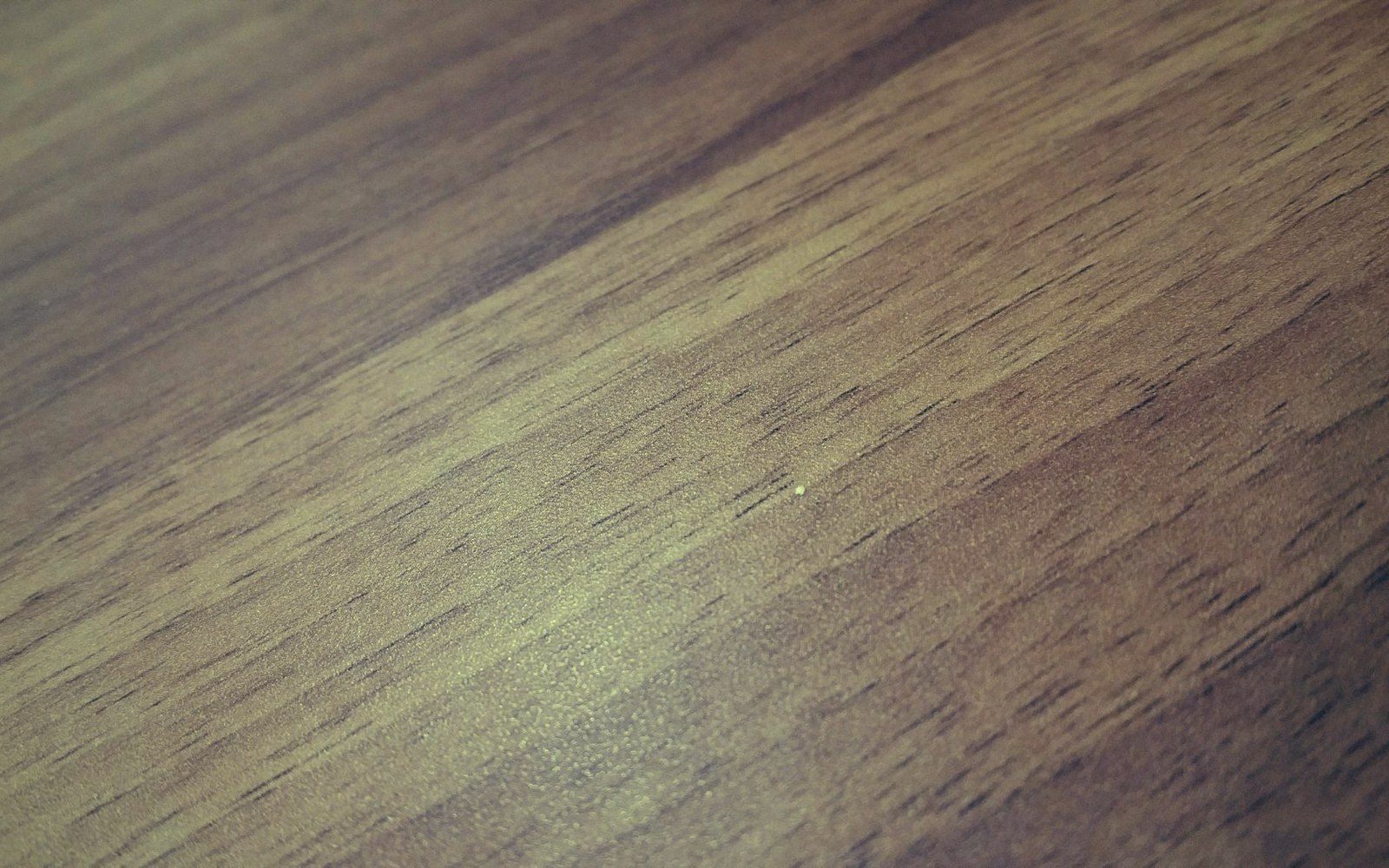
Two boards glued edge to edge. The glue is meant to be the weakest part of the assembly.
Photo: Digital Buggu / PexelsThe barb is fragile and almost always incomplete. Centuries of reframing, cleaning and handling knock it back, and a panel that has been thinned at the edges loses it entirely. Where it does survive, even in short runs, it fixes the original picture area with a precision that no documentary record can match. It tells you whether a strip of paint along the margin was always meant to be covered, whether a figure or an inscription running close to the edge was always hidden, and — crucially — whether what looks like a loss was already behind the frame from the beginning.
Raking light is the best tool for finding both features. A low, directed beam from the side throws the bevel's slope into shadow and makes even a badly abraded barb cast a readable line. In a painting that has been cleaned hard and looks featureless to direct examination, raking light can still locate what the original frame held.
Panels were made to sit inside a fixed frame, usually a lijstwerk — a moulded surround mortised and pegged together around the picture before painting began.
Material evidence
Lifted out of the piece| Bevel | the planed slope at the panel's edge, shaped to fit inside the frame's rebate |
| Barb | the raised ridge of chalk ground that formed against the frame's inner lip; confirms the original picture boundary |
| Rebate | the stepped groove in the frame that the panel edge seats into |
| Lijstwerk | Netherlandish term for the fixed moulded frame integral to the panel's construction |
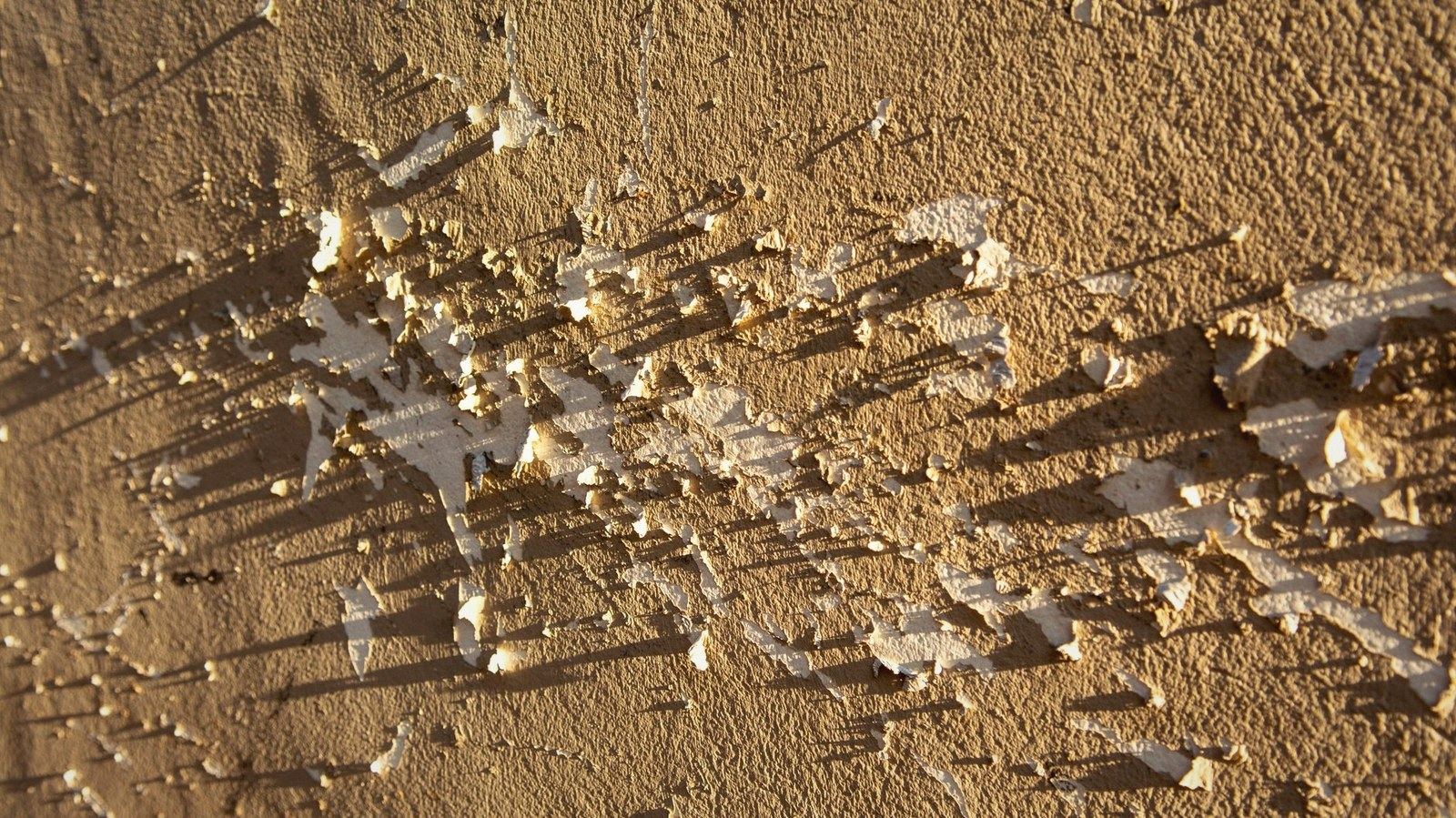
Raking light at a shallow angle turns every deformation in the surface into a shadow — cracks, cupping, and the ridge along a join all read at once.
Photo: Jan van der Wolf / Pexels