Thinning a panel
A treatment once routine and now regretted — what a plane or saw took away, and what instability it left behind.
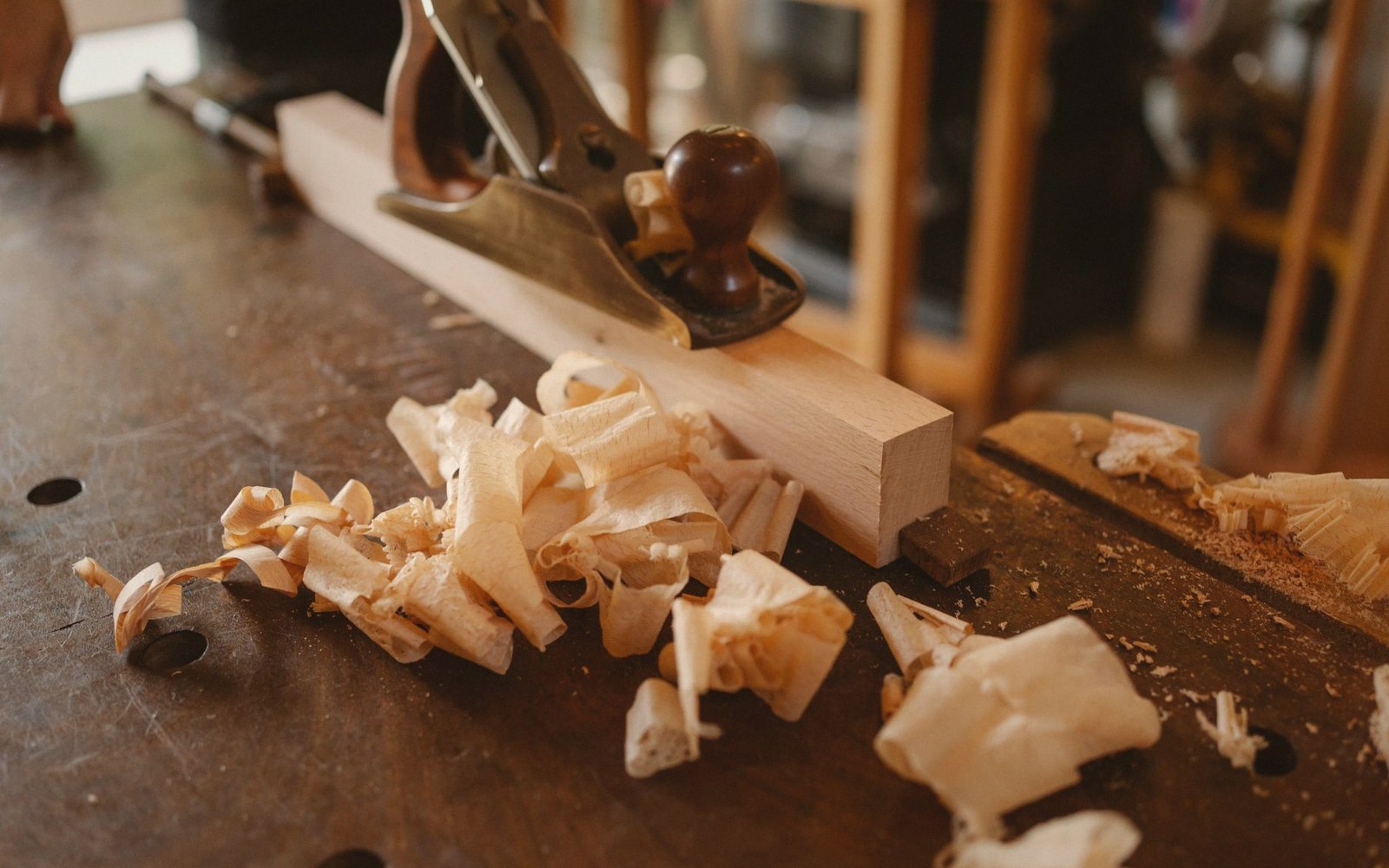
The support is the only layer that was once alive, and it never entirely stops behaving as though it still is.
Photo: Ono Kosuki / Pexels
The logic, and its flaw
Until the early twentieth century, cupped or warping panels were sometimes thinned from behind: wood removed by plane or saw until the board was pliant enough to flatten. The reasoning seemed sound. A thinner board would flex less, react to humidity less, and could then be controlled by a restraining structure fixed to the back. In practice, conservators inherited generations of panels reduced to a fraction of their original thickness — four or five millimetres where fifteen or eighteen once stood.
What the plane took away was not merely wood. It removed the very mass that had kept the paint layer insulated from movement. A thick panel changes temperature and humidity slowly, buffering the chalk ground against sudden expansion and contraction. A thinned panel responds almost instantly to every fluctuation in the surrounding air. Where the original board might have dampened a rapid change in relative humidity, the thinned one transmits it directly to the ground — and the ground cups first, dragging the paint with it.
There was a further casualty: information. The back of a panel carries evidence of how it was made — the tooling, the grain, sometimes a maker's mark or guild stamp. Thinning erased most of that. What survived in the wood was whatever the craftsman left shallow enough to escape the blade, which is rarely much.
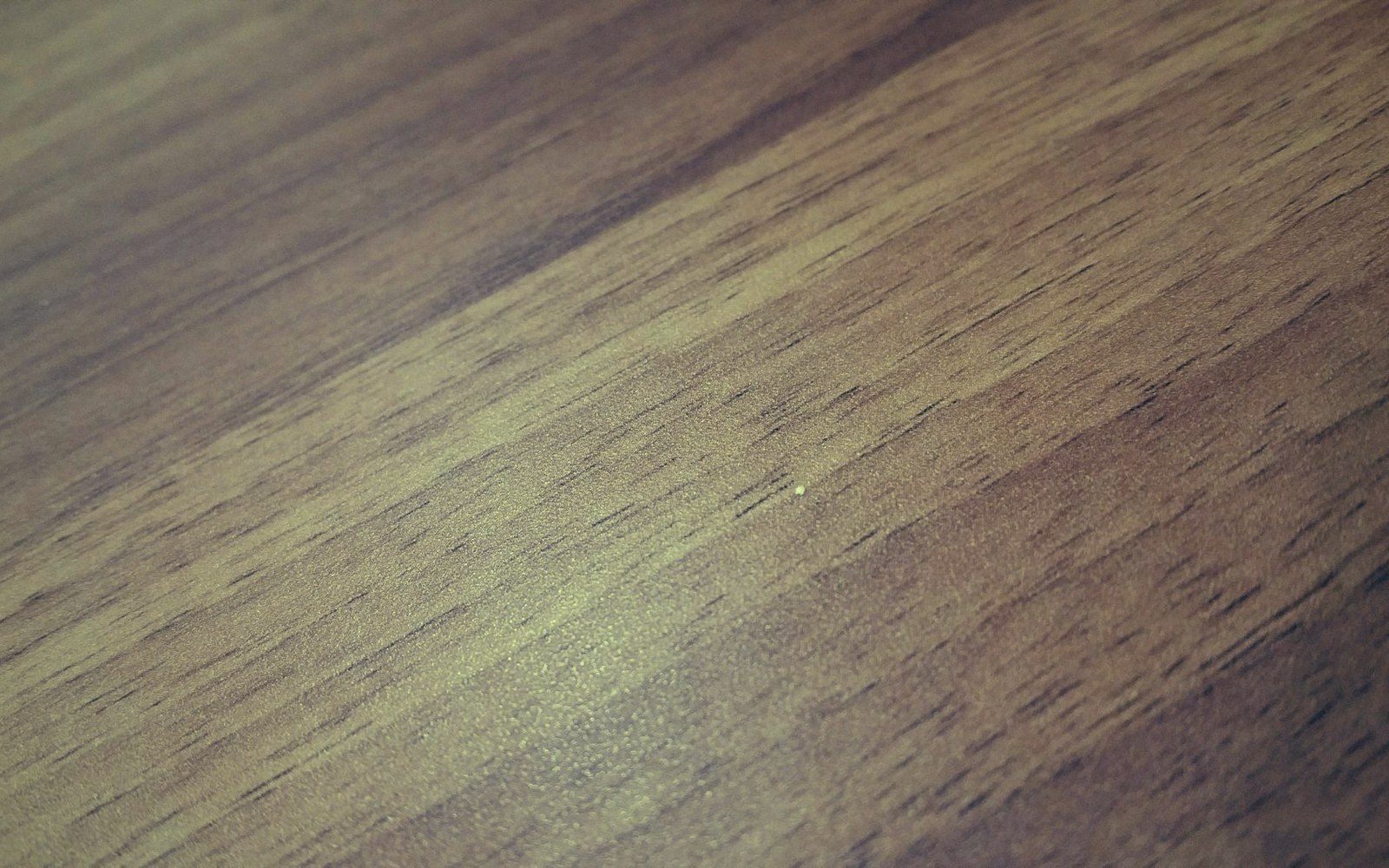
Two boards glued edge to edge. The glue is meant to be the weakest part of the assembly.
Photo: Digital Buggu / PexelsThe treatment was almost always followed by cradling — a lattice of fixed and sliding members glued or screwed to the back. The cradle was meant to hold the newly thin panel flat. Often it held it too well: the fixed members prevented the wood from responding at all to seasonal movement, concentrating stress at the glue lines and along the grain until something gave, usually the paint.
Thinning is no longer performed. What it teaches is something conservators now state plainly: interventions that remove original material or limit reversibility carry costs that are paid slowly, across decades, in cupping, cracking, and loss.
Until the early twentieth century, cupped or warping panels were sometimes thinned from behind: wood removed by plane or saw until the board was pliant enough to flatten.
What was lost
Lifted out of the piece| Original thickness | the buffer that slowed the panel's response to humidity change |
| Ground stability | a thin board transmits every humidity shift directly to the chalk layer |
| Back-surface evidence | tooling, maker's marks and guild stamps planed away |
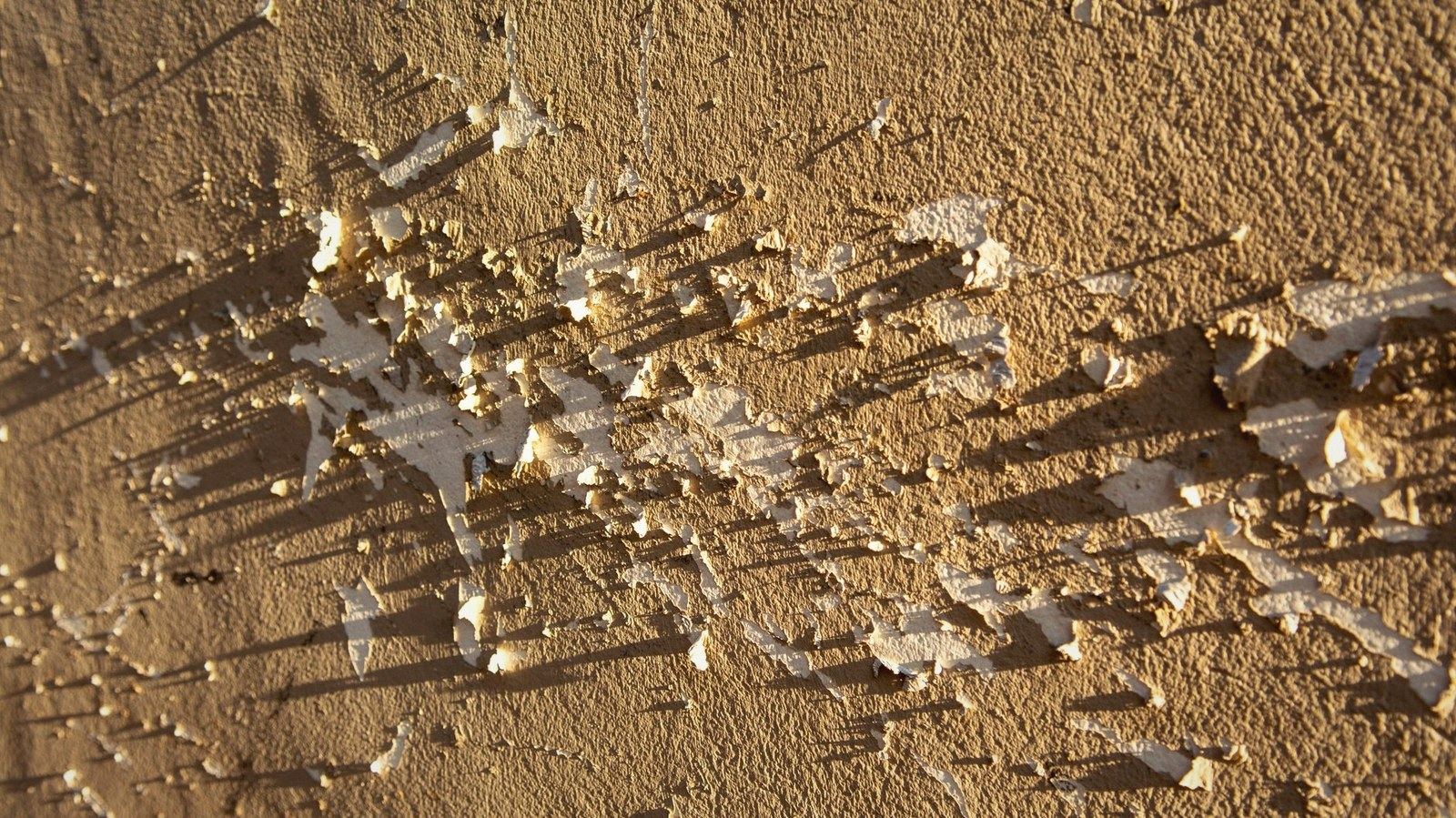
Raking light at a shallow angle turns every deformation in the surface into a shadow — cracks, cupping, and the ridge along a join all read at once.
Photo: Jan van der Wolf / Pexels