Quarter-sawn
Radial grain, slow movement, and what the annual rings tell you about how a board was chosen.

The support is the only layer that was once alive, and it never entirely stops behaving as though it still is.
Photograph supplied.
The cut that explains the calm
A log can be sawn in two fundamentally different ways. Tangential sawing, often called flat-sawing, cuts the log in parallel slices: efficient, high-yield, and cheap. The annual rings in the resulting boards run roughly parallel to the face — sometimes in broad arcs, sometimes in long sweeping curves. Quarter-sawing cuts closer to the radius, so that the annual rings meet the face at a steep angle, ideally close to ninety degrees. The difference in behaviour across four centuries is enormous.
Wood shrinks and swells along the annual rings (tangentially) about twice as much as it does across them (radially). A flat-sawn board, with its rings running face-to-face, swings hard with every change in humidity. A quarter-sawn board, with its rings running through the thickness, moves far less across its width — and what movement occurs is controlled, even, and less likely to open the paint film. Flemish and Dutch painters of the fifteenth and sixteenth centuries chose oak almost universally for panel supports, and they — or their panel-makers — consistently selected radially cut boards. Whether this represented deliberate knowledge of the wood's mechanics or simply accumulated craft practice is impossible now to say, but the effect was the same: the most stable substrate available without metal or stone.
Identifying the cut is straightforward in raking light, or even in a good photograph of the back. A quarter-sawn board shows tight, parallel medullary rays — the pale, faintly lustrous streaks running perpendicular to the growth rings, sometimes called the silver figure — lying close and even across the surface. The growth rings themselves appear as thin, nearly straight lines running along the board's length. On a flat-sawn board, the figure opens up into broad, sweeping cathedral arches, and the rays fan out rather than run parallel. The difference is visible at a glance once you know what to look for.
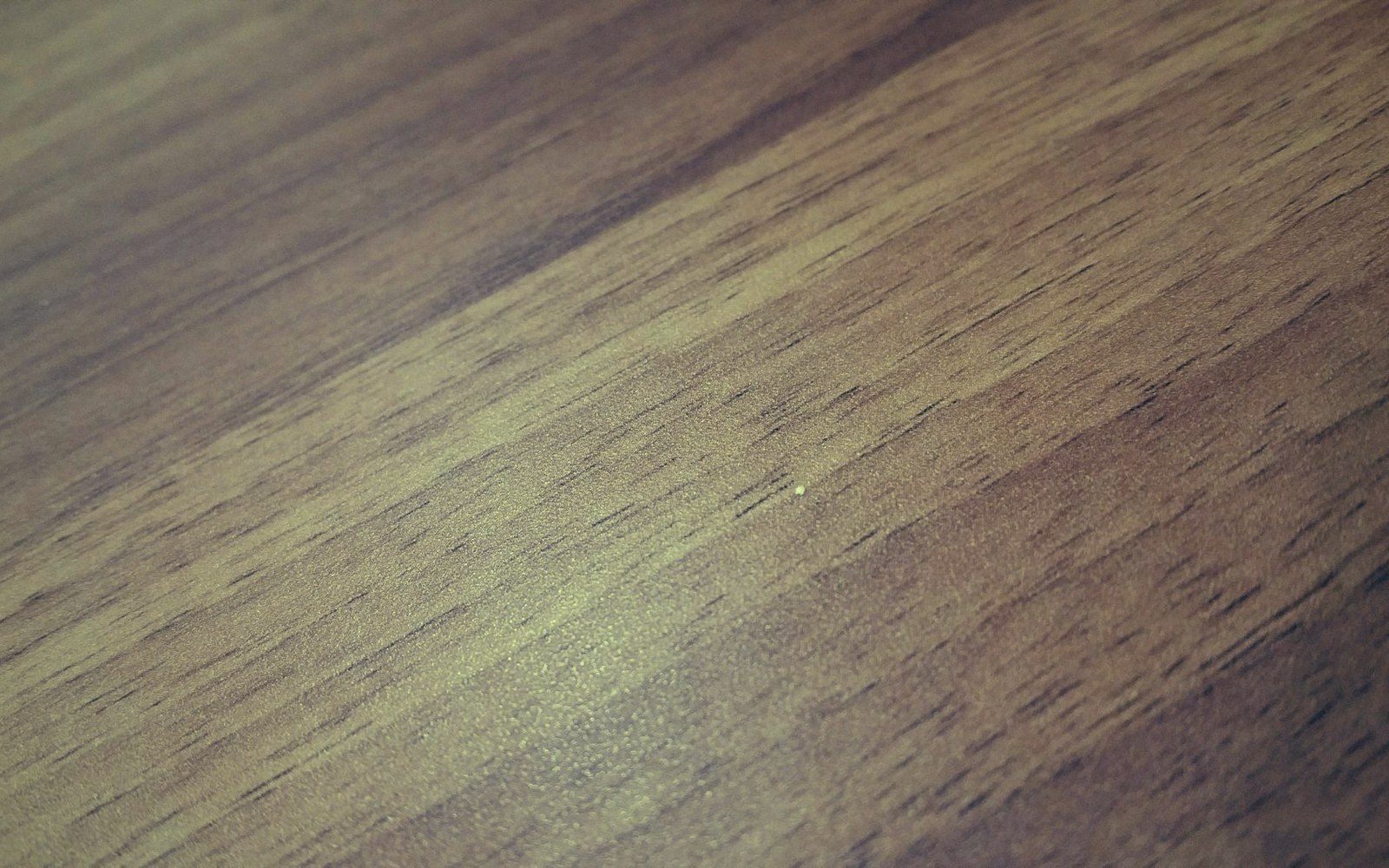
Two boards glued edge to edge. The glue is meant to be the weakest part of the assembly.
Photo: Digital Buggu / PexelsOak's medullary rays are pronounced enough to be decorative in furniture; in a panel, they are a diagnostic. A conservator examining a new acquisition will look at the back early, checking grain direction and ring angle before anything else, because those two pieces of information predict how the panel has moved and will keep moving. A radial board with tight rings at near-ninety degrees has earned some trust. A flat-sawn board with wide arcs demands more caution, especially if there is already cupping and flaking in the paint layer.
Panel-makers generally worked within the constraints of the timber available, and not every board in a multi-panel altarpiece is perfectly quartered. But the best work — Memling, Van Eyck, Rogier — shows a consistent preference for the radial cut. The wood itself was part of the specification.
Tangential sawing, often called flat-sawing, cuts the log in parallel slices: efficient, high-yield, and cheap.
What to look for
Lifted out of the piece| Medullary rays | the pale, lustrous streaks running perpendicular to the growth rings; tight and parallel in a quarter-sawn board, fanned in a flat-sawn one |
| Ring angle | the closer to ninety degrees at the face, the more stable the board |
| "Silver figure" | the decorative sheen of pronounced rays in oak, visible on the back of well-cut panels |
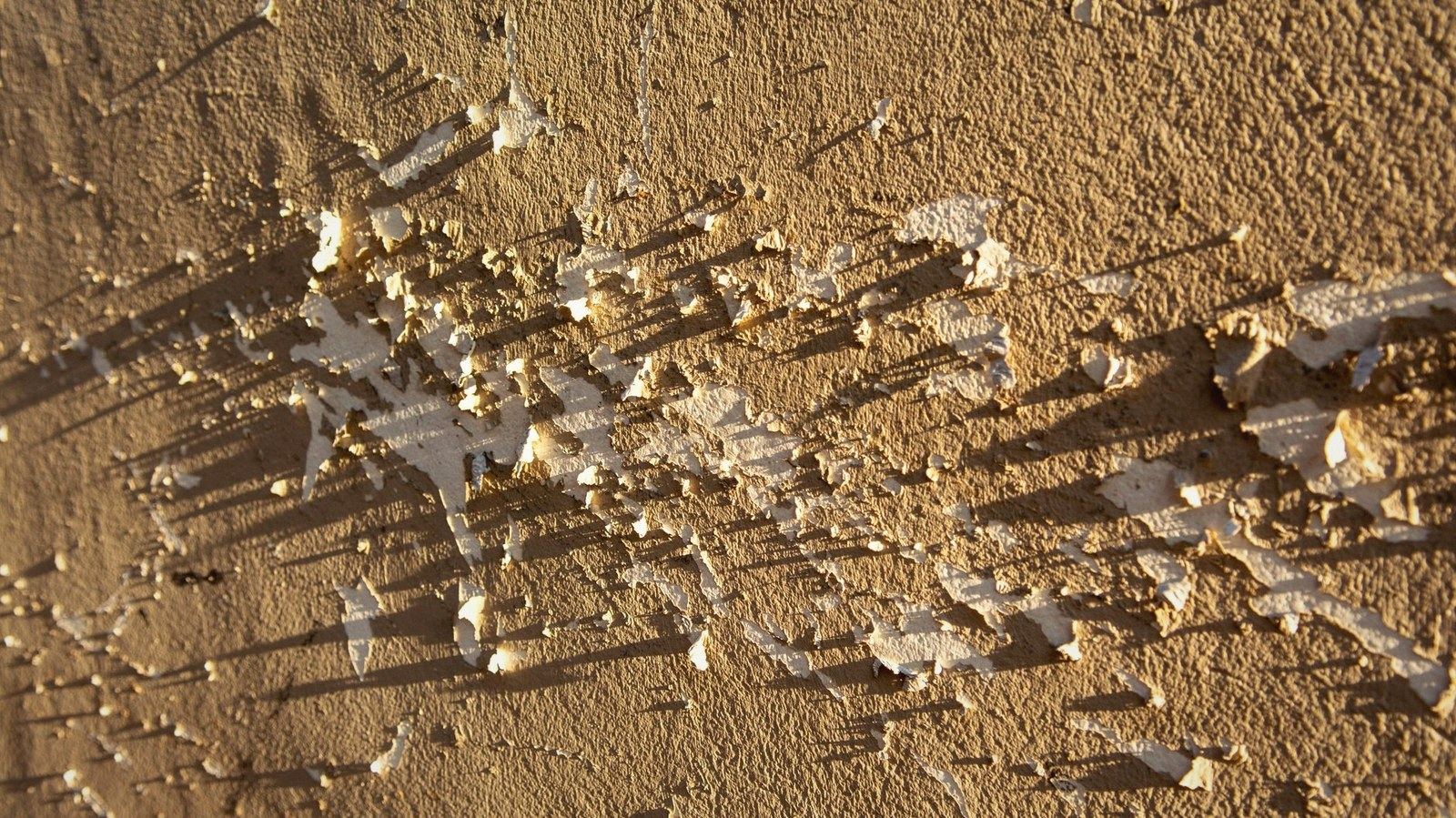
Raking light at a shallow angle turns every deformation in the surface into a shadow — cracks, cupping, and the ridge along a join all read at once.
Photo: Jan van der Wolf / Pexels