Ground losses
When the chalk layer fails, nothing above it survives. Filling a loss is the moment every subsequent decision locks in.
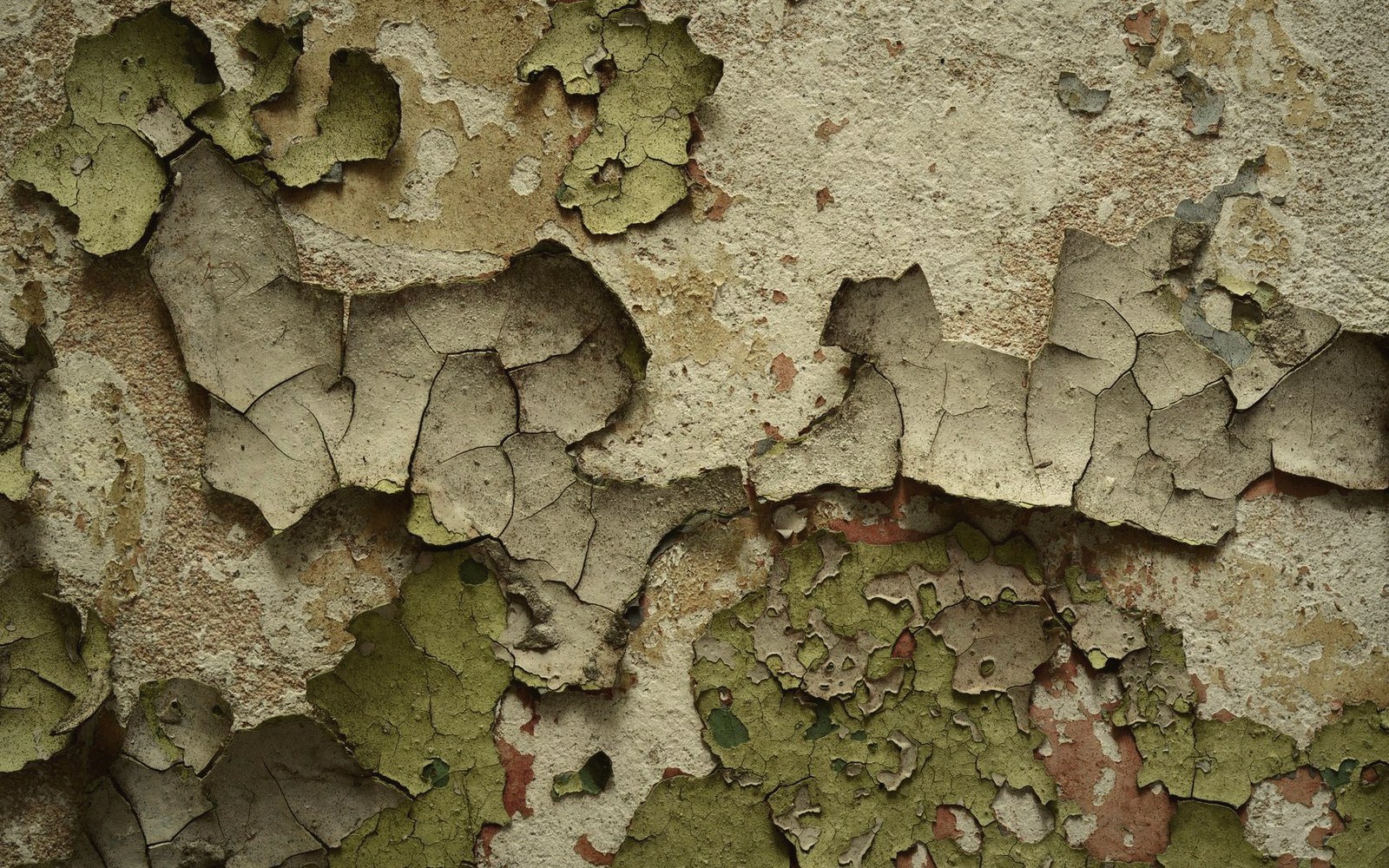
The ground is rigid, brittle with age, and glued to something that moves. That is the whole problem in one sentence.
Photo: ed br / Pexels
The failure sequence
A Dutch panel's ground is chalk and animal glue — calcium carbonate bound by hide glue, laid in multiple coats over sized oak, then scraped level and white. It is the foundation everything else depends on, and it is also the layer most vulnerable to moisture. When the wood beneath it swells or cups with humidity change, the ground is the first to let go. It lifts, cups at its edges, then shears away as a flake — taking with it whatever paint and glaze sat on top. What remains is a raw loss: a pit that goes down to bare wood, or sometimes below the sizing to the grain itself.
The size of a loss is always deceptive. At the edge, paint that looks attached is often undermined — its ground gone, its only anchor the paint beside it. A conservator probing with a fine brush finds the edge is softer than it looks, and the true boundary of the damage sits a millimetre or two further in than the visible crater suggests. Consolidation of the surrounding paint film comes first. Nothing else is safe until those edges are secured.
What filling commits you to
Once the surrounding paint is stable, the loss is filled. The fill material — typically a reversible chalk-and-glue mixture, or a proprietary conservation filler — must sit just below the level of the original paint surface, not flush with it. That fraction of a millimetre matters. If the fill is too high, any retouching applied over it will sit proud, catching raking light as a ridge. If too low, the retouching becomes a depression that pools visually against the original surface.
The fill level determines the reading of every retouching decision that follows. Colour matching, texture, sheen — all of it is calibrated against a floor the fill has set. Change the fill height and the visual logic of the inpainting collapses. This is why filling is not a preparatory step that can be easily revisited: it is a commitment the conservator makes before the paint goes on.
The original chalk and glue ground, when intact, is self-effacing — its whole purpose is to disappear beneath paint. The fill that replaces a loss is trying to do the same thing: to be a surface rather than an object. Getting there requires more judgment than it looks.
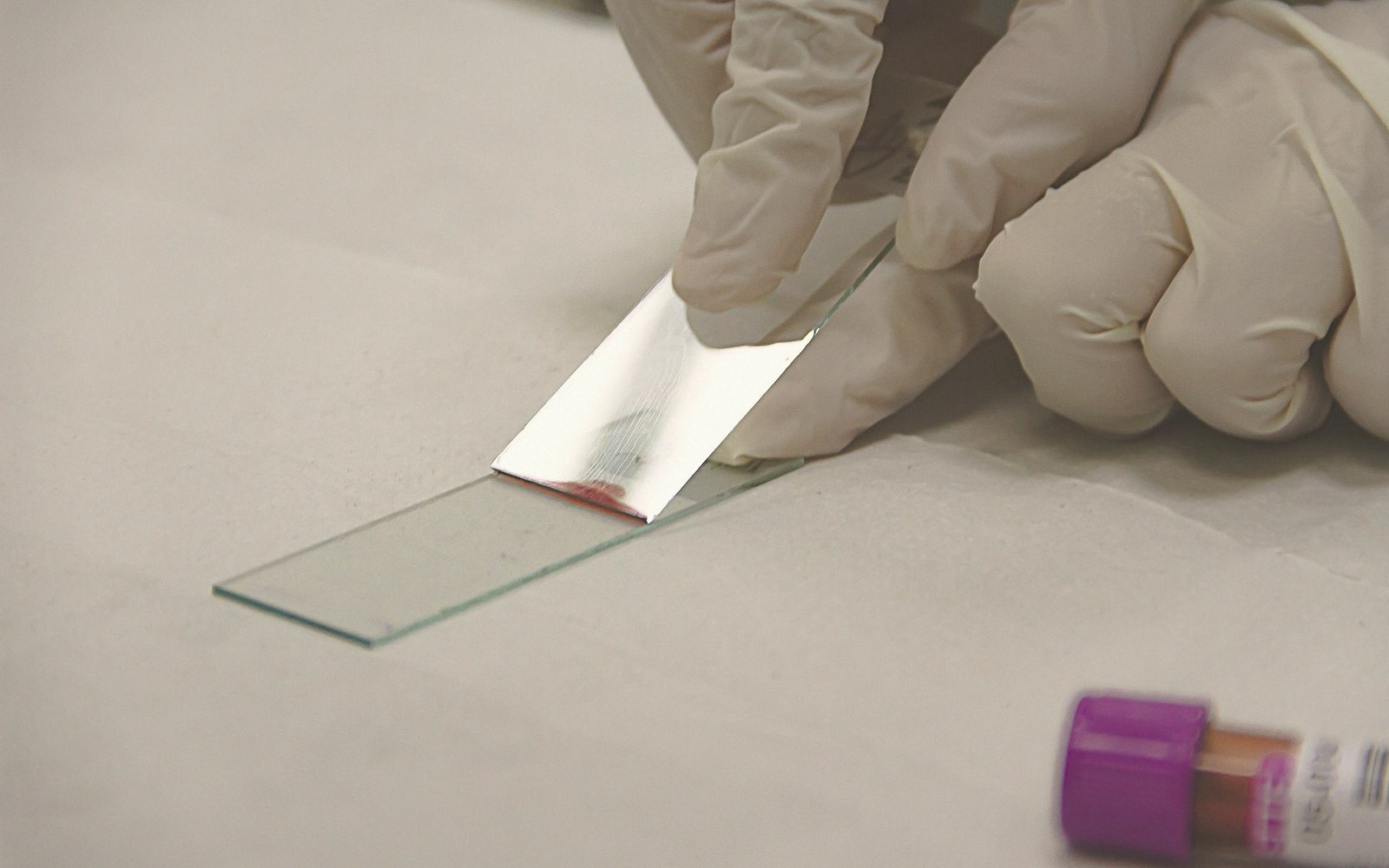
A sample the width of a hair, set in resin and polished, holds the whole build order in view at once.
Photo: roberto carrafa / PexelsA Dutch panel's ground is chalk and animal glue — calcium carbonate bound by hide glue, laid in multiple coats over sized oak, then scraped level and white.
The failure sequence
Lifted out of the piece| Chalk ground | calcium carbonate bound in hide glue; the prepared white layer under the paint |
| Sizing | a thin glue layer applied directly to the wood before the ground, sealing the grain |
| Loss | any area where ground and paint have separated from the support and fallen away |
| Undermining | the condition where paint at a loss edge has lost its ground but not yet detached; easily overlooked |
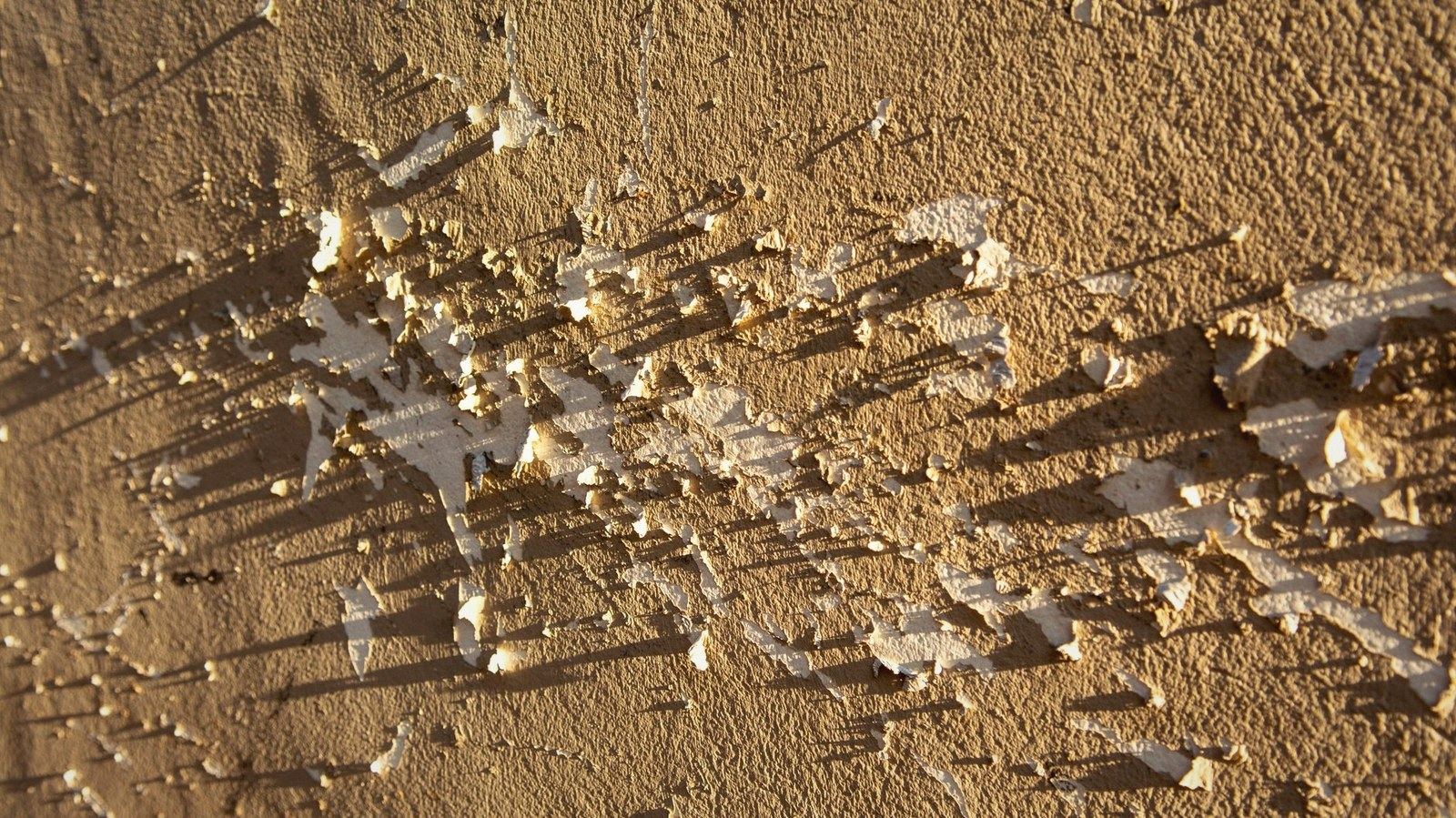
Raking light at a shallow angle turns every deformation in the surface into a shadow — cracks, cupping, and the ridge along a join all read at once.
Photo: Jan van der Wolf / PexelsWhat filling commits you to
Lifted out of the piece| Fill level | the precise height of the fill relative to the original paint surface; the primary variable in retouching calibration |
| Reversible filler | a fill material chosen so it can be removed or reworked without disturbing original material |