Why varnish yellows
Old resin varnishes oxidise over time. What starts transparent becomes amber — and it hits every colour differently.
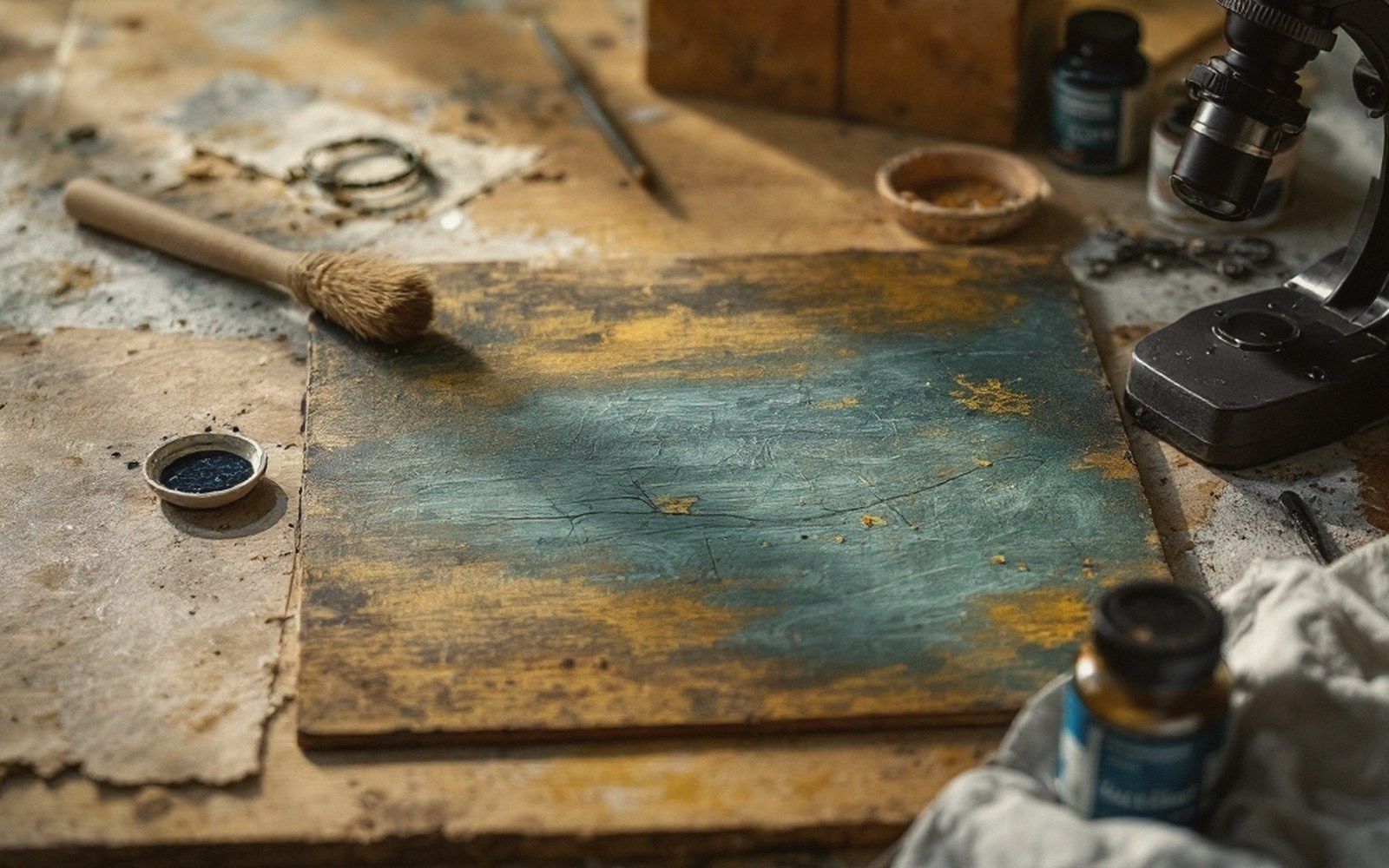
The coat that saturates the colours is also the coat that yellows, clouds, and gets into every crack.
Photograph supplied.
The chemistry is in the resin
Natural resin varnishes — mastic and dammar were the most widely used across northern European panel painting — are applied as thin, clear films. In the short term they do exactly what they promise: they saturate colour, even the surface and protect the paint from dust and handling. Then oxidation begins.
The process is photochemical as well as thermal. Exposure to light, particularly ultraviolet, breaks down the resin's molecular chains and produces chromophores — light-absorbing compounds — that are yellow to orange in colour. The film does not brown uniformly: it thickens, it yellows fastest where it was applied heaviest, and it builds further with each subsequent campaign of revarnishing, because old varnish was rarely removed cleanly before the next coat went on. What a panel carries after three or four centuries may be a laminated accumulation, each layer at a different stage of oxidation.
The colour shift is not neutral. A warm amber cast pulls every tone toward yellow and orange, and that matters far more in some passages than others. Yellows read slightly deeper but not wrongly. Reds survive reasonably. Whites and flesh tones yellow visibly. But the blues are where the damage is most legible: a sky that was once cool and receding flattens into a greenish or dull neutral, because the eye is now reading blue pigment through an amber filter. Smalt fading and azurite greening compound this further — two pigments that shift on their own, before varnish yellowing adds its layer to the problem.
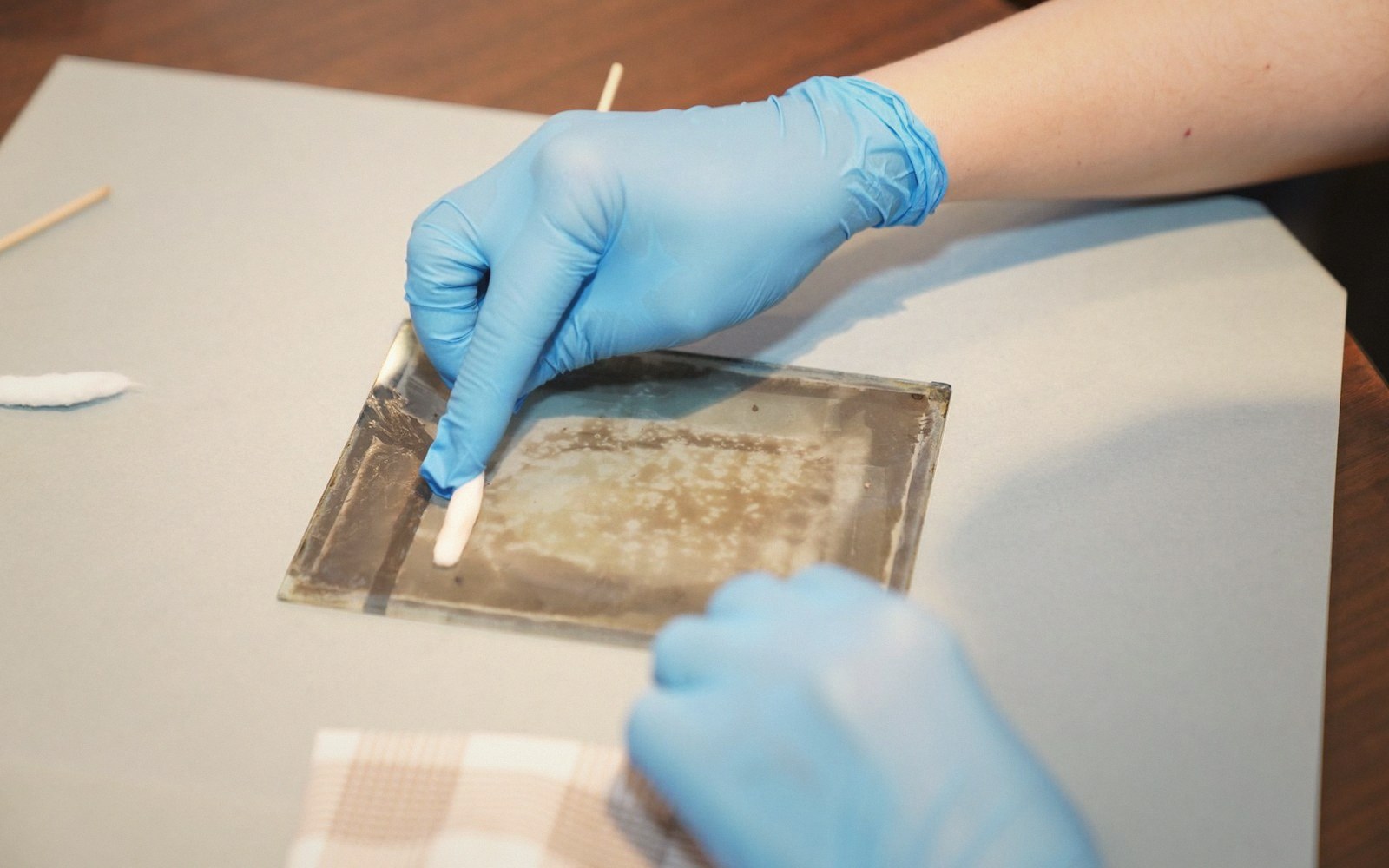
The cleaned patch cannot be unread. Once it is open, leaving the rest untouched is also a decision.
Photo: Tahir Xəlfəquliyev / PexelsRaking light reveals uneven varnish texture. Ultraviolet fluorescence, standard in any conservation examination, shows the distribution of old resin as greenish or bluish bloom against the darker response of repaint and fills. Neither test tells you exactly what the varnish is, but both confirm how much has accumulated and where.
The question of whether to remove it — how completely, by which solvent, with what risk to the paint beneath — is the argument that has run through conservation for generations. The chemistry of yellowing is straightforward. The decision about what to do next is not.
Natural resin varnishes — mastic and dammar were the most widely used across northern European panel painting — are applied as thin, clear films.
What yellowing does to specific colours
Lifted out of the piece| Yellows | shift slightly deeper; least misleading |
| Reds | broadly survive the amber cast |
| Whites and flesh tones | visibly yellowed |
| Blues | worst affected; read as dull green or neutral through an amber filter |
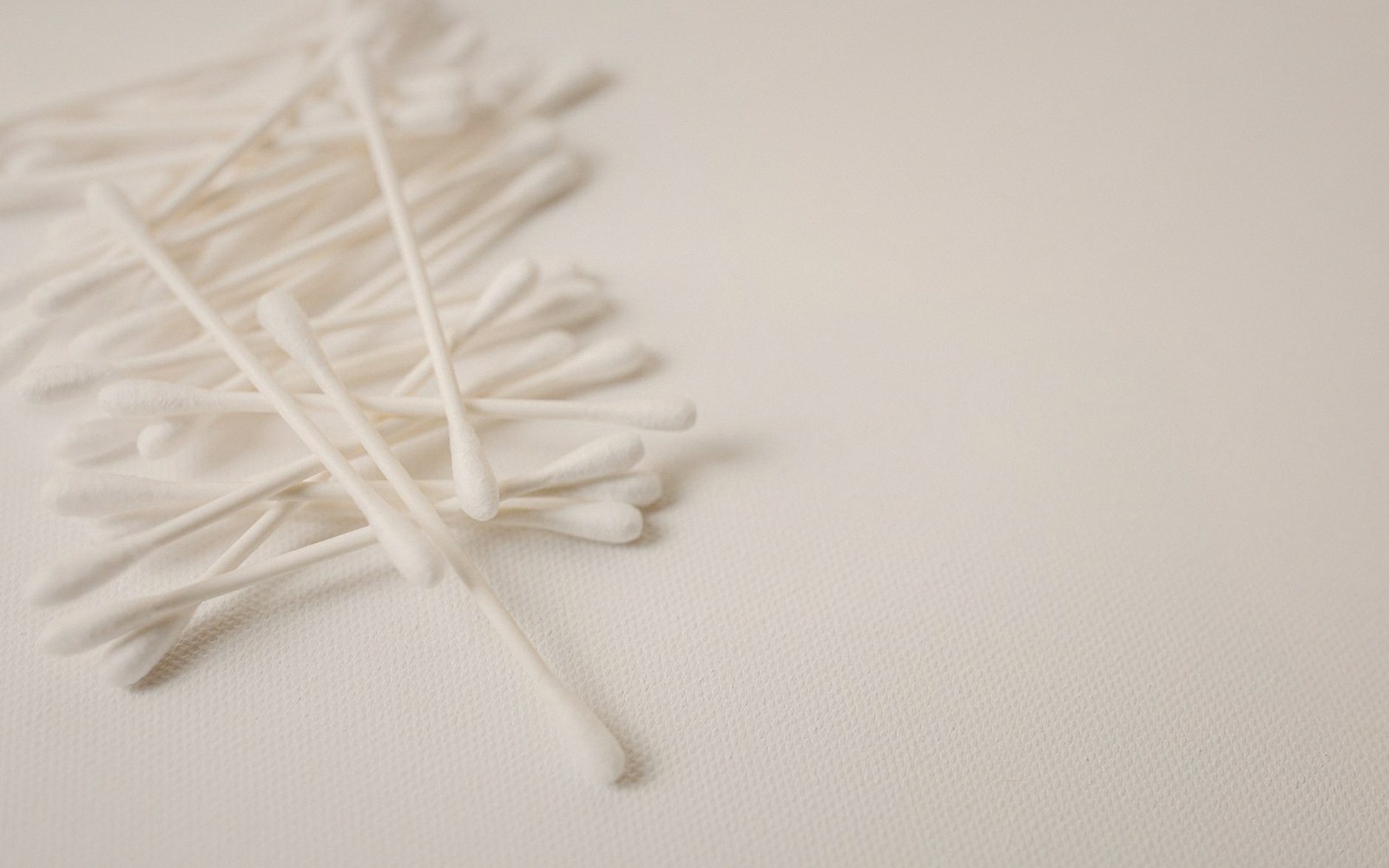
The mildest solvent system that has any effect at all, applied on a swab smaller than a thumbnail.
Photo: Tara Winstead / PexelsDiagnostic tools
Lifted out of the piece| Raking light | reveals uneven varnish texture and accumulation |
| Ultraviolet fluorescence | old resin fluoresces greenish-blue; repaint appears dark |