Fire and water
Heat and damp leave traces that cannot be confused with anything else — or with each other.
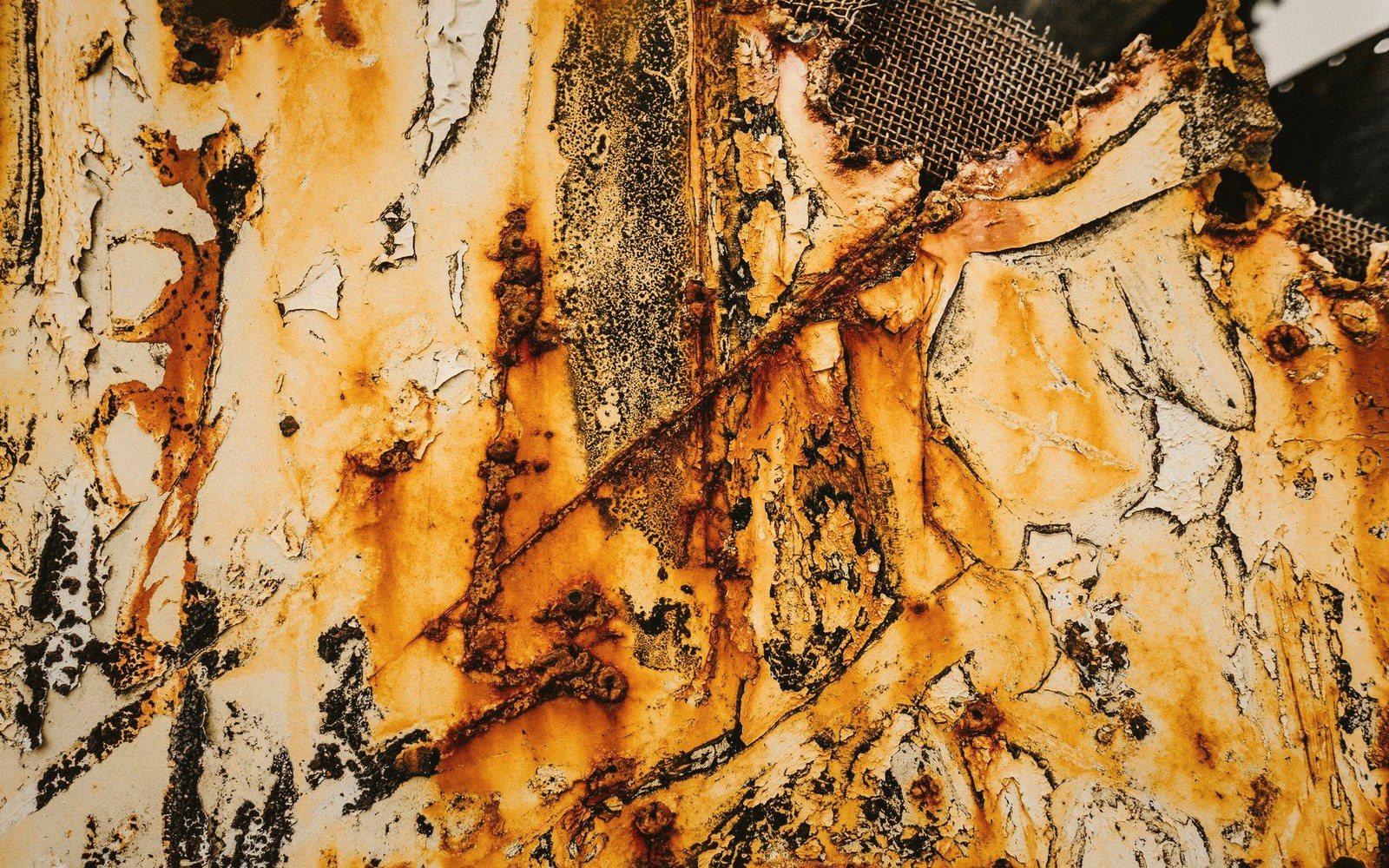
Damage is legible. What it looks like tells you which force caused it, and roughly when.
Photo: Jonathan Borba / Pexels
Two signatures
Fire moves fast and leaves a record of exactly how far it reached. On a panel that survived a blaze — pulled clear, or simply spared by the fire's edge — you find a clean gradient: the paint film intact in one zone, then bubbled and crazed where the surface temperature spiked briefly, then carbonised or simply gone at the extreme. Blistering happens because the chalk ground and the paint layers expand at different rates under sudden heat; the ground can survive while the paint above it lifts into small domes, pops, and collapses. Varnish, lower-melting than any other layer, goes first, pooling or vanishing entirely. The oak support may char on one face while remaining structurally sound on the other. Reading the craquelure becomes difficult in a fire-damaged zone because the crack pattern is thermal rather than age-related — faster, wider, often radial around the hottest point.
Water is the opposite: slow, pervasive, and cumulative. A panel that has sat in a damp store or been caught in a flood shows a different kind of misery. The chalk-and-glue ground is hygroscopic — it absorbs moisture readily, swells, and loses adhesion to the paint above it. Cupping and flaking are the predictable result: the ground cups across the board's width, carrying the paint with it until the bond breaks. Prolonged damp also encourages mould, which digests the organic glue sizing and can leave a ghostly tide line exactly at the level the water reached. The wood itself swells across the grain, the grain direction becoming legible in the damage pattern. Repeated wetting and drying accelerates every movement the board was already disposed to make.
What the two have in common is this: they are both legible in raking light — the angled beam that throws surface relief into shadow — and both tend to be irreversible. Neither the blistered paint film nor the tidemark of old flood water forgets what happened to it.
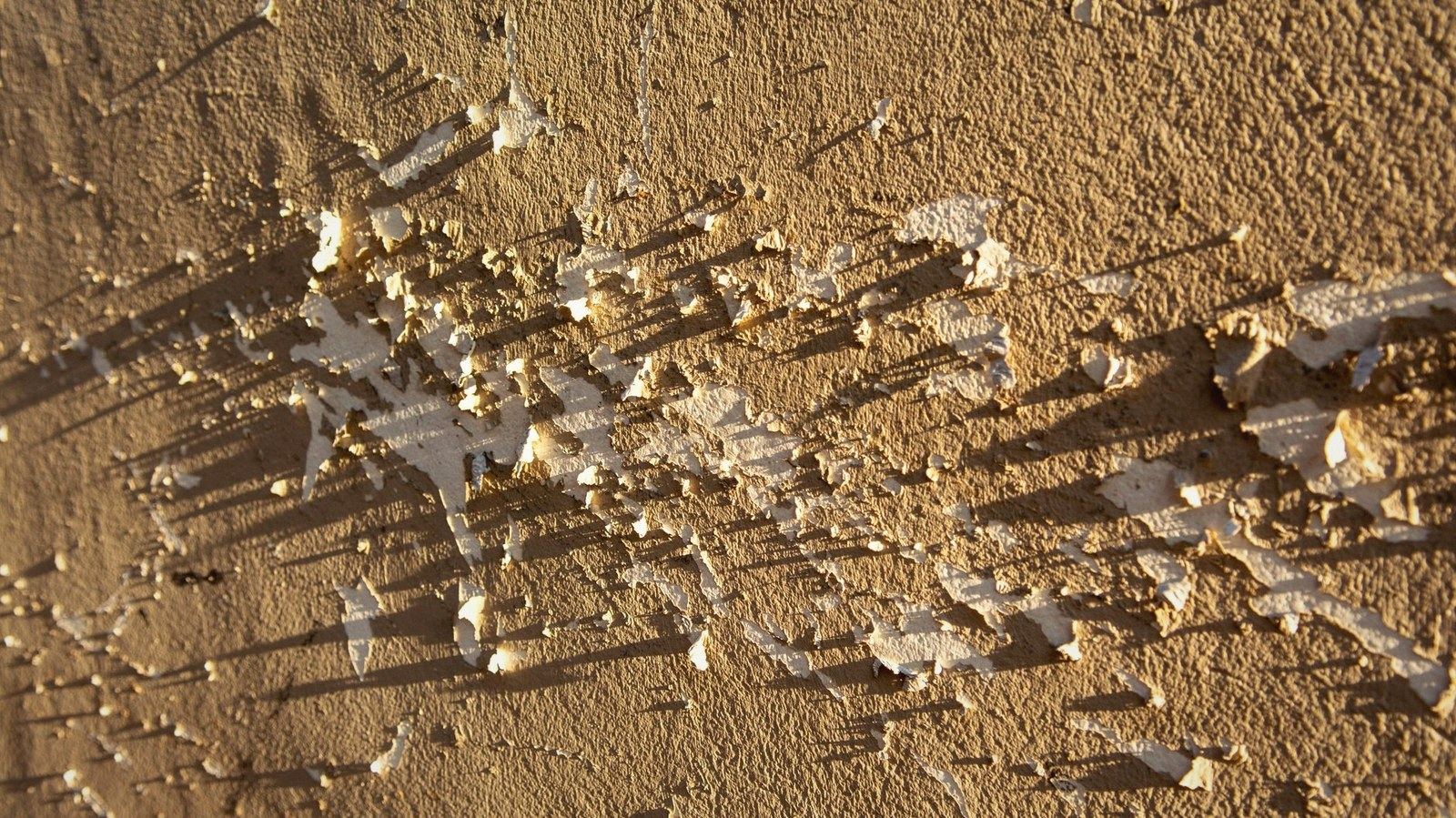
Raking light at a shallow angle turns every deformation in the surface into a shadow — cracks, cupping, and the ridge along a join all read at once.
Photo: Jan van der Wolf / PexelsReading the craquelure becomes difficult in a fire-damaged zone because the crack pattern is thermal rather than age-related — faster, wider, often radial around the hottest point.
Damage signatures at a glance
Lifted out of the piece| Fire | blistering, thermal crazing, carbonisation at extreme; varnish pools or disappears first |
| Water | tide lines, mould, cupping and adhesion loss in ground; follows grain direction in the wood |
| Raking light | oblique lighting that reveals surface relief; diagnostic for both damage types |
| Hygroscopic | moisture-absorbing; property of the chalk-and-glue ground that makes water damage so destructive |
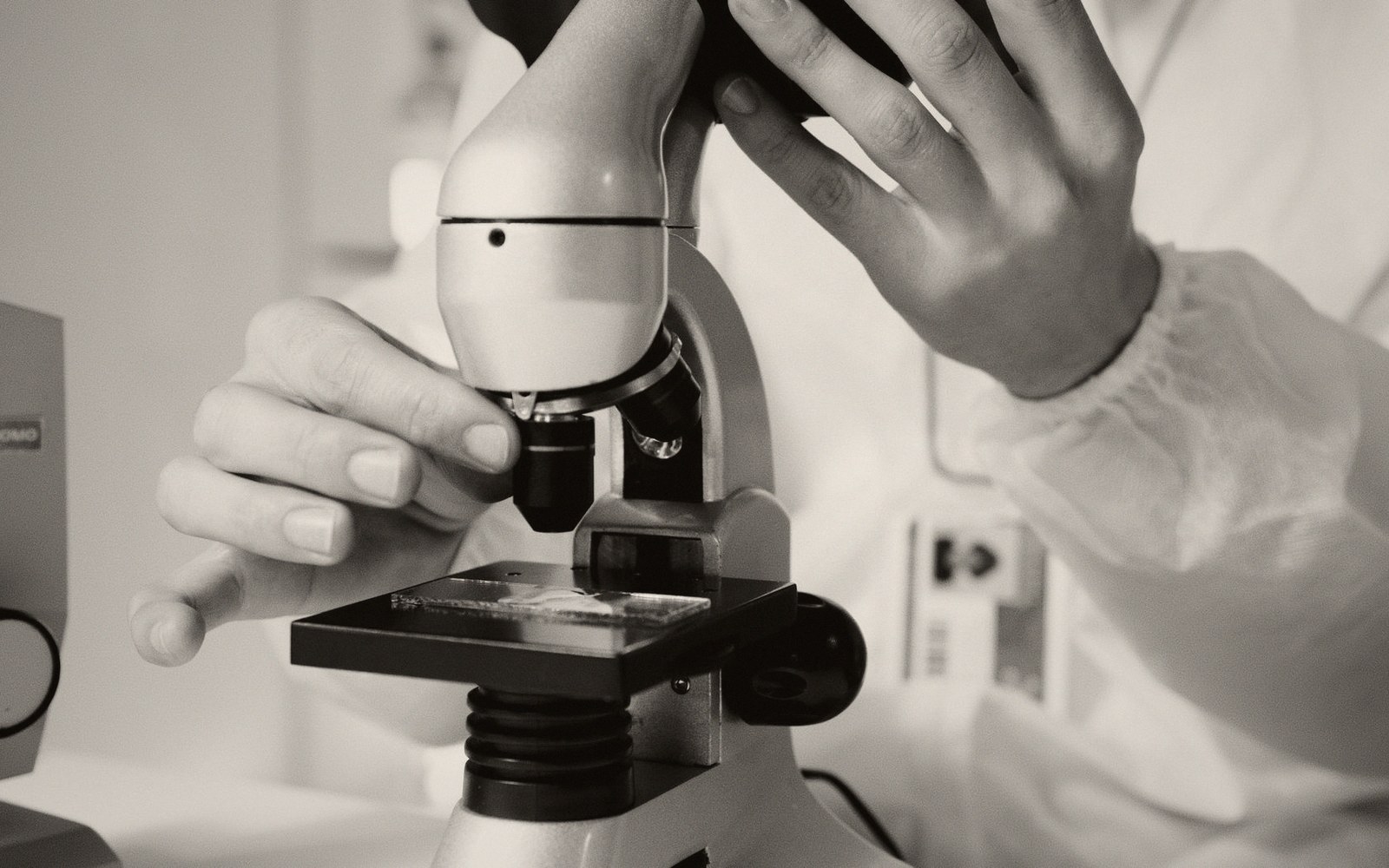
Most of the examination happens before anything at all is touched.
Photo: Artem Podrez / Pexels